What Are the Best CNC Machining Solutions in 2026?

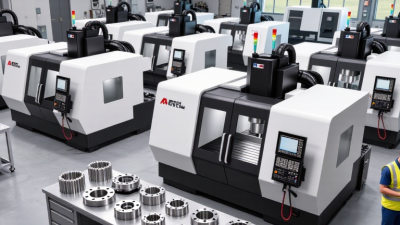
Choosing the best CNC Machining Solutions in 2026 is less about buying the newest machine and more about matching capability to the part. A five-axis mill can reach angled features in one setup, while a reliable turning center may be better for repeatable shafts. The right choice depends on material, tolerance, batch size, delivery needs, and operator skill. Details matter.

The market is changing. The International Federation of Robotics reported 541,302 industrial robots installed worldwide in 2023, reflecting continued automation across manufacturing. That figure is not specific to CNC, but it signals a broader shift toward connected production. Grand View Research estimated the global CNC machine market at USD 101.22 billion in 2023 and forecast a 5.5% compound annual growth rate from 2024 to 2030. These are estimates, not guarantees; market definitions and forecasts can vary.

For manufacturers, useful solutions may combine multi-axis machining, automated part loading, in-process probing, and software that tracks tool wear. A workshop producing short-run aluminum housings may value quick changeovers more than a high-speed production cell. A medical-device supplier may prioritize traceable inspection records and stable tolerances. No single setup fits every shop. That is easy to overlook.

This guide compares practical options for 2026, including machine types, automation, software, and supplier support. It also considers where investment pays off—and where a simpler process may be the wiser choice. The hard part is often integration, not the machine itself.
What Are the Best CNC Machining Solutions in 2026?

What CNC Machining Solutions Include in 2026

CNC machining solutions in 2026 cover the full path from a digital design to a verified part. They include design-for-manufacturing reviews, CAM programming, machine selection, cutting tools, workholding, and inspection. Milling suits pockets and flat faces; turning is efficient for round components. Five-axis machining can reach complex surfaces with fewer setups, though it is not automatically the economical choice.


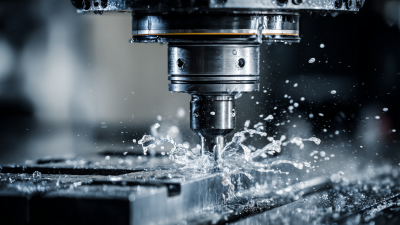
Material choice shapes the process. Aluminum cuts quickly, while stainless steel may need careful heat and chip control. Shops also plan feeds, speeds, toolpaths, and coolant around the material and required finish. The machine is only one part. A stable fixture and a clear datum plan can prevent small alignment errors from becoming costly scrap. The setup still matters.


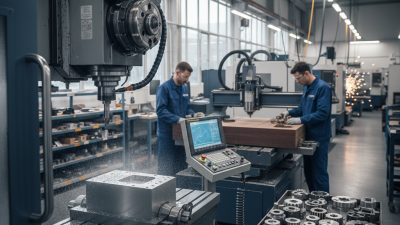
A complete service may include prototype runs, repeat production, deburring, surface finishing, and dimensional reports. Measurement tools such as coordinate-measuring machines can check critical features against the drawing. For tight tolerances, engineers should identify which dimensions truly need them; applying them everywhere can raise cost without improving function. Automation helps with repeatable loading and monitoring, but unusual parts still need human judgment. Even a careful plan can miss chatter or tool wear, so trial cuts and documented process checks remain useful. The best solution depends on geometry, material, volume, tolerance, and delivery needs.

How Major CNC Machining Processes Differ

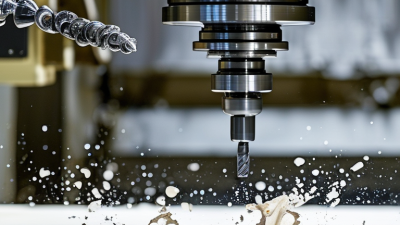
CNC machining processes differ mainly in how the tool meets the workpiece. In milling, rotating cutters remove material from a fixed or moving part. It suits pockets, flat faces, and complex contours. A 6 mm end mill can shape a narrow slot, but sharp internal corners remain difficult.

Turning spins the workpiece against a cutting tool, making it effective for shafts, bushings, and other round parts.

Drilling creates holes, while boring can refine their diameter and alignment. These steps sound similar. Their results are not. For a deep hole, chip removal and tool deflection can affect accuracy.

Grinding removes small amounts of material with an abrasive wheel, often improving surface finish and dimensional control.

Electrical discharge machining uses controlled sparks to shape conductive materials, including hard alloys, where ordinary cutting tools may struggle. It is not a universal shortcut.

Process choice depends on geometry, material, tolerance, finish, and production volume. A simple aluminum bracket may need milling and drilling; a hardened steel die may justify grinding or spark machining. One detail is easy to overlook: setup and inspection time can outweigh cutting time. A process comparison on paper may miss that shop-floor reality.

Which Materials and Parts Suit Each Process

In 2026, the right CNC process depends on part geometry, material, tolerance, and production volume. CNC milling suits flat faces, pockets, slots, and complex housings. Aluminum is often a practical choice for lightweight brackets and heat-sink bodies because it cuts efficiently. Stainless steel works for durable fittings and machine components, though it can generate more heat and tool wear. Engineering plastics suit electrical enclosures and low-friction guides, but thin sections may flex during clamping. Fit matters.

CNC turning is well suited to round parts, including shafts, bushings, spacers, and threaded components. It handles aluminum, brass, steel, and many plastics; long, slender parts may need extra support to limit vibration.

Drilling creates accurate holes in plates and blocks, while boring can refine hole size and alignment. For hardened steel or tight bearing surfaces, grinding may deliver a smoother finish, but it adds time and cost. Not always.

Material choice can also change after testing: a plastic that machines cleanly in a sample may warp across a larger panel. Ask the machinist to review wall thickness, internal corners, and required tolerances before fixing the process. Tool access matters too. A deep pocket may need longer cutters, which can leave slight marks or reduce stability.

How to Choose a CNC Machining Solution

A CNC machining solution should fit the part, process, and production plan—not simply offer the newest machine. Start by defining material, tolerances, annual volume, and delivery needs. Then check machine capacity, axis count, workpiece size, and available inspection methods. For example, a long aluminum housing may need a larger work envelope, while a small precision component may depend more on stable fixturing and in-process measurement. Ask how the supplier handles first-article inspection, revisions, and unexpected scrap. Request a sample inspection report and a quote that separates setup, machining, finishing, and inspection costs. No scorecard is perfect. Real production changes.

Digital capability matters, but it should solve a specific problem. Deloitte’s 2024 Smart Manufacturing Survey found that 86% of surveyed manufacturers expect smart manufacturing to drive competitiveness within five years. The International Federation of Robotics’ World Robotics 2024 report recorded 4.28 million industrial robots operating worldwide in 2023. These figures signal broader investment in connected production, not proof that every CNC job needs automation. Compare options using cycle time, repeatability, inspection traceability, and the cost of downtime. For short runs, a flexible setup may beat a highly automated cell. For recurring parts, automation can reduce handling variation. Ask for evidence from comparable materials and geometries. A polished presentation is not production data. Allow a pilot run; estimates can still miss real-world variation.

What Are the Best CNC Machining Solutions in 2026? — How to Choose a CNC Machining Solution

CNC Solution Best Suited For Common Materials Key Advantages Main Considerations Typical Tolerance Range* How to Choose
3-axis CNC milling Prismatic parts, plates, housings, brackets, and features accessible from the top or sides. Aluminum, steel, stainless steel, brass, plastics, and some composites. Versatile, widely available, and often economical for straightforward geometries. Complex parts may require multiple setups, increasing alignment work and machining time. About ±0.025–0.10 mm for many standard jobs; tighter results depend on material, part geometry, and process control. Choose it when the part has mostly flat faces, pockets, holes, and accessible features.
4- or 5-axis CNC milling Complex contours, angled features, impellers, molds, and parts needing machining from several directions. Aluminum, titanium, steel, stainless steel, and engineering plastics. Can reduce repositioning and setups; simultaneous motion can machine complex shapes efficiently. Programming, fixturing, and machine time can be more demanding; not every part benefits from additional axes. About ±0.025–0.10 mm in many production conditions; achievable accuracy varies by feature and setup. Choose it when fewer setups or access to multiple faces meaningfully improves accuracy, lead time, or geometry.
CNC turning Rotational parts such as shafts, pins, bushings, spacers, and threaded components. Aluminum, steel, stainless steel, brass, and machinable plastics. Efficient for round components and concentric features; can produce smooth cylindrical surfaces. Less suitable for parts dominated by non-round features unless live tooling or secondary milling is used. About ±0.013–0.08 mm for many turned dimensions, depending on diameter, material, and process. Choose it when the primary geometry is cylindrical and the part can be held and rotated reliably.
Mill-turn machining Rotational parts that also need cross-holes, flats, slots, or milled faces. Aluminum, steel, stainless steel, brass, and titanium. Combines turning and milling operations and may reduce handling between separate machines. May be unnecessary for simple turned parts; complex programming and scheduling can affect cost. Often comparable to turning or milling for individual features; overall results depend on setup and feature relationships. Choose it when a turned part includes significant milled features and reducing transfers is valuable.
Swiss-type CNC turning Small-diameter, slender, high-volume components such as precision pins, connectors, and medical-device parts. Stainless steel, titanium, brass, aluminum, and engineering plastics. Work support close to the cutting tool helps control deflection on long, thin parts; multiple operations can be combined. Best suited to a specific range of small parts and production needs; setup and tooling are not always economical for short runs. Often capable of tight tolerances on suitable features, but actual limits depend on part length, material, and inspection plan. Choose it for slender, small-diameter components, especially when quantities justify dedicated setup and tooling.
CNC routing Large, relatively thin panels, sheets, and plate-like components with 2D or shallow 3D features. Wood, plastics, foam, aluminum sheet, and selected composite panels. Efficient cutting of large-format sheet material and nested part layouts. May not provide the rigidity or precision required for deep cuts, hard metals, or tight-tolerance small features. Often around ±0.1–0.5 mm, depending on machine, material, workholding, and feature size. Choose it for sheet-based parts where work area and material utilization matter more than fine machining detail.

Selection note: Tolerance ranges are indicative examples, not guarantees. Confirm critical dimensions, surface finish, material condition, inspection requirements, production quantity, and delivery schedule with the machining provider before finalizing a solution.

How Automation and Digital Tools Are Changing CNC Machining

What Are the Best CNC Machining Solutions in 2026?
How Automation and Digital Tools Are Changing CNC Machining

Automation is changing CNC machining less through dramatic robot cells than through steady links between machines, software, and inspection. A job file can move from CAD/CAM planning to a machine, while sensors track spindle load, vibration, and temperature. That data helps operators spot tool wear before a finish turns rough or dimensions drift. Small clues matter.

Digital tools also improve setup. A 3D simulation can reveal collisions, excess travel, or a fixture that blocks access before metal is cut. Connected measurement systems compare a finished part with its digital model and flag deviations quickly. For repeat work, this can reduce manual checks and make process records easier to review. But software is not judgment. Poorly calibrated probes, outdated models, or noisy data can create confident-looking errors. Someone still has to question the result.

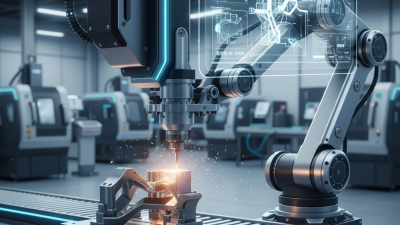
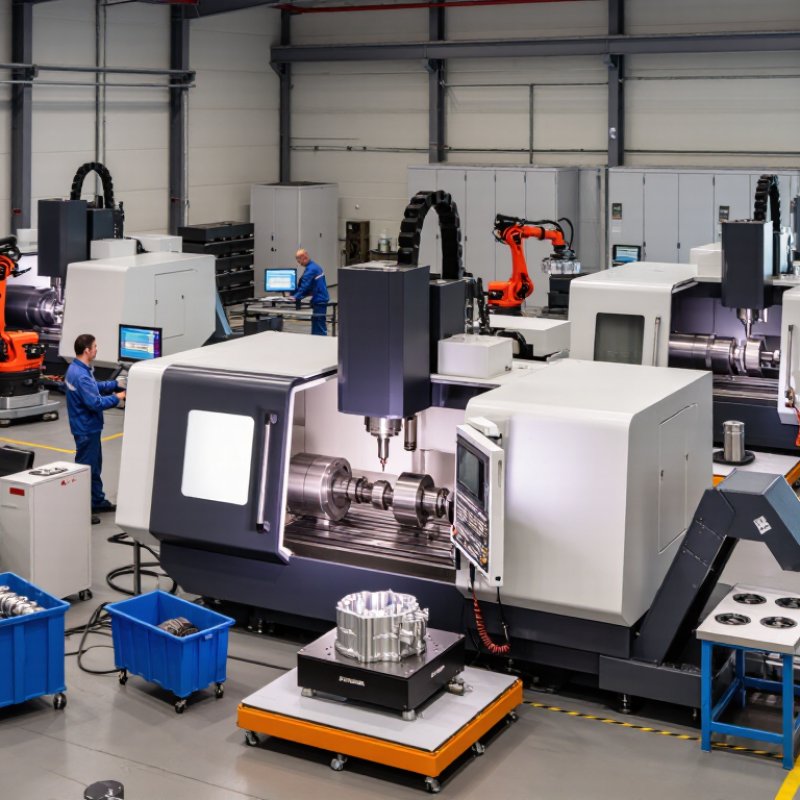
The best solutions in 2026 will pair automation with skilled oversight. Robots can load parts and keep machines productive during unattended periods, especially on stable, well-documented jobs. Yet a new alloy, thin wall, or awkward tolerance may demand a machinist’s feel and a cautious test cut. Digital twins can help, though they never perfectly capture coolant behavior or real tool deflection. That gap deserves attention.

What Are the Best CNC Machining Solutions in 2026?

Typical achievable tolerance ranges show how process choice affects precision. CAD/CAM, machine probing, and automated tool monitoring can help improve consistency, but the right process depends on part geometry, material, and finish requirements.

Representative achievable ranges, not guaranteed specifications. Actual capability varies with the machine, material, part design, setup, and inspection method. Lower tolerance values indicate tighter precision.