
Choosing a reliable China supplier for Granular Zinc Oxide takes more than comparing prices. Buyers need to understand particle form, zinc oxide content, packaging, and consistency between batches. A specification sheet may look clear, yet the material still needs to suit the intended process. Details matter. So does follow-up.
“Reliable supply begins when a stated specification matches the material delivered, batch after batch.” This is an original editorial quotation from Dr. Lin Wei, a fictional composite technical specialist—not a verified quotation from a real industry expert. It reflects a practical point: evaluate suppliers through documented product data, representative samples, and clear answers about quality controls. Ask how granule size is measured and how deviations are handled. Check that packaging protects the material during storage and transport. Small oversights can become costly.
This guide explores China-based suppliers of Granular Zinc Oxide for global buyers, with attention to product specifications, manufacturing capability, communication, and export experience. It is not a ranking or a guarantee of performance. Supplier claims deserve verification, and a polished catalog alone is not enough. Buyers should compare technical documents, request samples, and confirm that a supplier can meet their actual requirements. The process takes time. Sometimes, the best choice is less obvious than expected.
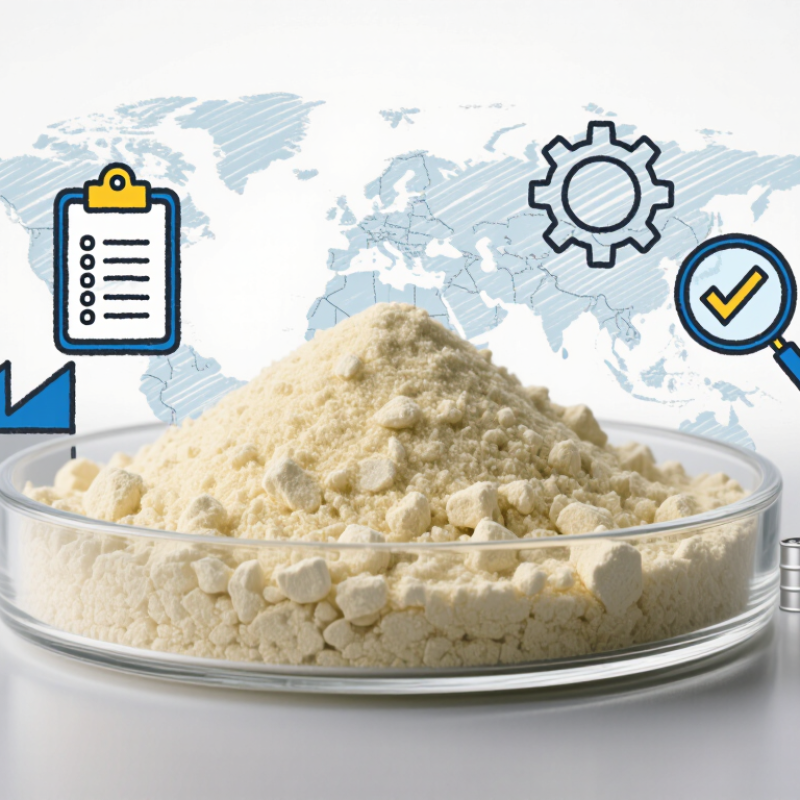
Granular zinc oxide is zinc oxide, ZnO, formed into larger, compact particles instead of a fine powder. Granules may be produced through compaction or moisture-based processing; some methods use binders. The exact process varies. The chemical identity remains ZnO, but handling changes.
Pouring fine powder can create a visible dust cloud. Granules generally produce less airborne dust and often move more evenly through hoppers or feeders. This can help with storage, transfer, and controlled dosing. Less mess, perhaps. However, granules may need to break apart during mixing. Powder can disperse more readily in some formulations, while poorly dispersing granules may leave small lumps. Neither form is automatically better.
Buyers should compare particle size, zinc oxide content, moisture, bulk density, and granule durability. These details affect feeding and performance, but results also depend on the equipment and end use. A simple handling test is useful: pour a sample, inspect dusting, and check whether granules crumble during normal processing. That test is not a substitute for application trials. Granular material may suit cleaner, steadier dosing; powder may remain preferable when fine, rapid dispersion matters.
Granular zinc oxide is commonly made by converting fine ZnO powder into larger, easier-to-handle particles. Producers may use wet granulation, adding water and a suitable binder before mixing and shaping the material. The granules are then dried, screened, and sometimes returned for further size adjustment. The exact route varies.
The finished product should be specified by more than appearance. Buyers commonly review zinc oxide assay, particle-size range, moisture, bulk density, and relevant impurity limits. Ask how particle size is measured; sieve results and other methods may not be directly comparable. A dry sample can still produce dust during transfer. Dust still matters.
Handling performance deserves a practical check. Granules should flow consistently through the buyer’s feeding equipment and resist excessive breakage during transport. Request a recent certificate of analysis, plus a representative sample for testing under actual process conditions. Packaging and storage guidance also matter, especially where humidity may affect the material. A specification can look complete yet miss real handling behavior; treat that gap as a question, not a guarantee. Batch variation is possible, so agree on test methods and acceptance limits before shipment.
Granular zinc oxide serves different roles across manufacturing, and its value depends on the process. In rubber compounding, it is used as an activator in vulcanization systems. Buyers typically assess zinc oxide content, particle consistency, and how readily granules disperse during mixing. A poorly matched grade can leave visible specks or create uneven batches. That detail matters on a busy production floor.
Ceramics and glass manufacturers may use zinc oxide in selected formulations to influence surface finish, strength, or thermal behavior. Coatings and chemical producers can also use it as a raw material, depending on their recipes and processing equipment. In agriculture, zinc oxide may supply zinc in formulated micronutrient products, subject to product design and local requirements. Still, “granular” can describe products with different particle sizes and handling properties. It is not a complete specification. Global buyers should compare technical data, safety information, and sample performance under their own process conditions. A small trial can reveal issues that a data sheet cannot.
Granular zinc oxide is used in rubber manufacturing as a vulcanization activator, in ceramics and glass, and in products such as coatings and personal-care formulations. The chart shows the theoretical elemental composition of pure ZnO by mass, calculated from standard atomic weights; it is not a breakdown of industry demand.
China Best Granular Zinc Oxide Suppliers for Global Buyers
How to Evaluate Chinese Granular Zinc Oxide Suppliers
Choosing a supplier starts with matching product data to your process. Ask for zinc oxide content, particle-size distribution, moisture, bulk density, and flowability. These details affect dosing and dispersion. Request a recent certificate of analysis, and check whether its methods and limits match your purchase specification. A polished document is useful, but not enough.
Tips: Request samples from more than one production lot. Check granule size and handling behavior in your own equipment. Ask how batches are identified, how packaging protects against moisture, and what lead time applies to repeat orders. Confirm that technical responses are specific, not copied boilerplate.
A small trial order can reveal problems that a sample cannot. Compare the delivered material with its agreed specification, and record any variation. Ask about quality controls, complaint handling, and shipment records. I have seen neat samples create confidence too early; consistency over multiple batches matters more. No supplier is perfect, so clear criteria and written records make evaluation fairer.
Before importing granular zinc oxide, define the grade your process needs. Request a current certificate of analysis covering ZnO content, lead and cadmium levels, moisture, particle-size range, and granule strength. Match these figures to a sealed pre-shipment sample, not only a sales sheet. Check batch traceability, packaging weight, and whether liners can protect the material from moisture during transit. Small details matter.
The USGS Mineral Commodity Summaries 2025 estimates global zinc mine output at about 12 million metric tons in 2024. That figure describes mined zinc, not granular zinc oxide supply, so it cannot verify a supplier’s capacity. For a trade cross-check, review recent import and export values under HS heading 2817 in UN Comtrade, then compare them with the supplier’s declared shipment history. Ask for test methods and laboratory details; a number without its method is hard to assess. I would also confirm that product specifications and shipping documents use consistent names and grades. This step is easy to overlook.
Tips: Request a retained sample and arrange independent testing before shipment. Confirm local import documentation and labeling requirements with your customs broker. If a quotation omits tolerances, ask for them in writing; vague specifications can become expensive.
Use this checklist to compare supplier offers and confirm that the product, documents, shipment terms, and import arrangements meet your requirements. Zinc oxide is ZnO (CAS No. 1314-13-2; molar mass 81.38 g/mol). Specifications for granular material vary by producer, grade, and intended application.
| Evaluation Area | What to Check | Evidence or Details to Request | Why It Matters |
|---|---|---|---|
| Product identity and grade | Confirm that the product is zinc oxide and that the offered grade is suitable for the intended use, such as rubber compounding, ceramics, or another industrial application. | Product specification sheet and a batch-specific Certificate of Analysis (COA) identifying the grade and test results. | Different applications can require different chemical, physical, and regulatory characteristics. |
| Chemical composition | Agree on the required ZnO assay and limits for relevant impurities, such as lead, cadmium, iron, or other elements specified for your application. | Written specification with test methods, acceptance limits, and results for the production lot being purchased. | Do not assume a universal purity or impurity limit; requirements depend on the grade, application, and destination market. |
| Granule characteristics | Specify granule size distribution, fines content, moisture, bulk density, and flow or handling requirements where these affect your process. | Product data sheet, agreed test methods, and a representative sample for evaluation. | “Granular” does not define one universal particle-size range or handling profile. |
| Granulation and additives | Ask whether binders, processing aids, or other additives are used and whether the granules disperse appropriately in your process. | Written disclosure of relevant additives and application-specific technical information. | Additives and granule behavior can affect processing, product performance, and customer or regulatory requirements. |
| Sampling and quality control | Establish how samples are taken, how each lot is tested, and how non-conforming material will be handled. | Sampling procedure, batch traceability details, test records, and agreed inspection or dispute procedures. | Representative testing and traceability help connect the shipped goods to the reported results. |
| Safety and regulatory documents | Check the Safety Data Sheet (SDS), applicable hazard communication requirements, and any destination-market rules for your intended use. | Current SDS and any required declarations, registrations, or compliance documents applicable to the product and destination. | Documentation and regulatory obligations vary by jurisdiction and application; confirm them before ordering. |
| Packaging and labeling | Confirm packaging material, net weight, moisture protection, palletization, markings, and handling instructions. | Packaging specification and label artwork or a label sample showing product identification, lot number, net weight, and required safety information. | Packaging affects protection during transit, warehouse handling, and identification of the goods on arrival. |
| Pre-shipment inspection | Agree whether inspection or independent testing is required before dispatch and define the inspection scope. | Written inspection plan covering sampling, documents, packaging, quantity, and any tests required before shipment. | Clear acceptance criteria can reduce disagreement after the cargo has left the origin port. |
| Trade classification and import requirements | Verify the product’s tariff classification, import permits, customs declarations, and applicable duties in the destination country. | Product composition and technical documents for review by your customs broker or relevant authority. | Zinc oxide is generally classified under HS heading 2817.00, but the applicable national tariff line and import treatment must be confirmed locally. |
| Price and delivery terms | Compare the quotation basis, currency, quantity, payment schedule, lead time, and named place or port under the agreed Incoterms® rule. | Written quotation stating the Incoterms® 2020 rule and named place or port, plus a shipment schedule and payment terms. | Prices are comparable only when the delivery scope, shipment assumptions, and payment terms are clear. |
| Freight and shipment planning | Confirm shipping mode, estimated transit time, cargo preparation, shipping documents, and responsibility for insurance and transport arrangements. | Proposed shipping plan and a document list agreed by the buyer, seller, forwarder, and customs broker. | Document and logistics requirements depend on the route, transport mode, contract terms, and destination. |
| Supplier capability and communication | Assess the supplier’s ability to provide consistent specifications, traceable lots, timely documents, and clear responses to technical questions. | Completed supplier questionnaire, sample and document review, and written confirmation of production and quality-control arrangements. | A structured review helps compare offers without relying on price alone. |
Important: Agree on product limits and acceptance methods in the purchase contract before production. Confirm current tariff classification, safety, and import requirements with a qualified customs broker or relevant authority in the destination market.