
Choosing the right Flotation Equipment is crucial for any industry involved in mineral processing or wastewater treatment. With various options available, it can be overwhelming to make a decision. The effectiveness of flotation equipment impacts efficiency and recovery rates. Each style has unique features that cater to specific needs.
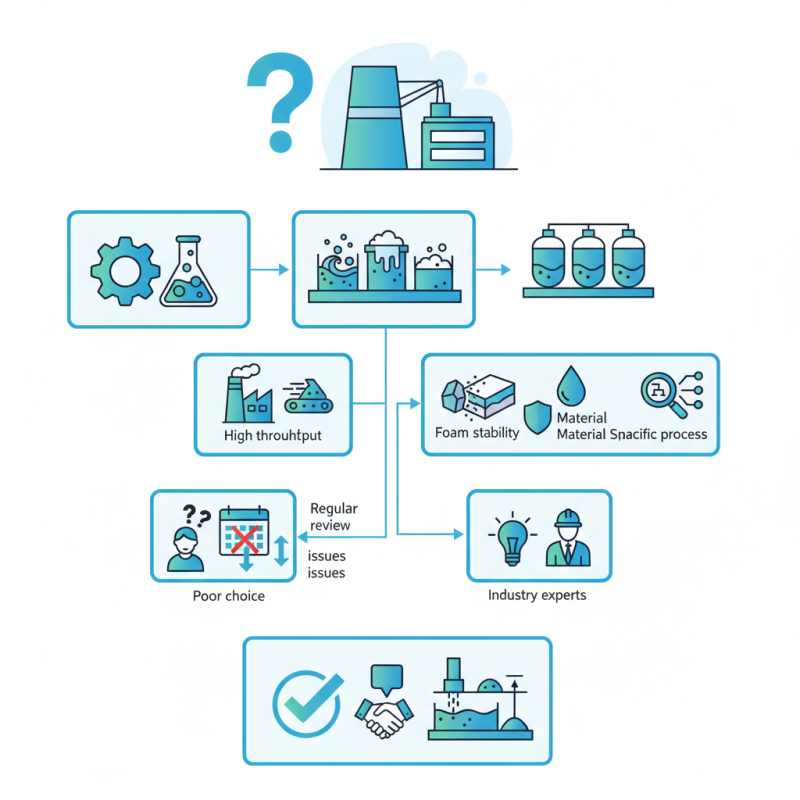
Understanding your operational requirements is key. Do you need higher throughput, or is foam stability more critical? Consider the material characteristics and the specific process involved. Selecting equipment that aligns with these factors can enhance performance. However, the ideal choice may not always be straightforward.
Many factors can complicate the selection process. Inexperienced operators might overlook details, leading to poor equipment choices. Regular reviews of equipment performance can highlight issues. Engaging industry experts may help clarify options and prevent costly mistakes. Ultimately, the decision made should fit the unique needs of your operation, ensuring reliable and effective flotation outcomes.
When exploring flotation equipment, it's essential to understand the various types available. Each type serves a unique purpose and works under specific conditions. For instance, conventional flotation cells are widely used due to their simplicity. They efficiently separate desired minerals from ores by using air bubbles. This type is suitable for many general applications.
Another option is column flotation, which offers enhanced separation efficiency. It uses tall, vertical tanks, allowing for better bubble-particle contact. This technique is particularly effective for fine particles. It often improves recovery rates but may be more complex to operate. Each method has its pros and cons, making it crucial to evaluate your specific needs before deciding.
Innovative designs, like advanced Flotation Machines, bring additional features. They often include automatic controls and better energy efficiency. However, they may require more maintenance and operator training. Evaluating your resources and capabilities is vital. Understanding the operational challenges is as important as recognizing the advantages. Ultimately, the right choice depends on your unique requirements and the specific materials you are working with.
When selecting flotation equipment for mineral recovery, several key factors must be considered. First, the type of minerals you are processing will greatly influence your equipment choice. For example, copper and lead-zinc ores may require different flotation methods. According to a study by the International Journal of Mineral Processing, inefficient flotation can lead to recovery rates as low as 50%. Thus, understanding the material you are working with is crucial for maximizing efficiency.
Tip: Evaluate the mineral characteristics so you can optimize flotation separation.
Another important aspect is the size and design of the flotation cells. Larger cells can enhance recovery by allowing more material to be processed at once. However, they may also create challenges, such as air bubble size control. Research indicates that optimal bubble size ranges between 0.5 mm and 2 mm for effective recovery. Monitoring both the size and quantity of the bubbles can significantly impact your outcomes.
Tip: Test different cell designs and sizes in your plant to find the most effective setup.
Finally, consider the operational parameters, including pH levels and reagent types. These factors significantly affect the interaction between minerals and bubbles. Indeed, adjusting pH can yield recovery increases of up to 10%. Despite this potential, it requires careful monitoring to avoid adverse effects. Operations must be flexible and ready to adapt if initial settings do not yield desired results.
When selecting flotation equipment, understanding various cell designs is crucial. Flotation cells can be broadly classified into several types. Each design has unique benefits and drawbacks that affect efficiency in different applications.
Column flotation cells are known for their high selectivity. They use air bubbles to separate particles based on their surface properties. However, they may not handle high-throughput operations well. Conversely, mechanical flotation cells are more common in large-scale production. They are versatile but might require more maintenance over time.
Tips: Consider the ore type before choosing your flotation cell. For more complex ores, hybrid designs might be better. Don’t overlook the importance of scalability in your choice. If operations expand, does the equipment adapt?
Testing different designs in small-scale operations is wise. This approach helps identify what works best without high initial investment. Documenting the results of trials can provide insights for future decisions. Even minor adjustments can yield significant improvements in performance. Assessing various options ensures that you find the most suitable flotation solution.
Selecting the right flotation equipment starts with understanding key factors. Air rate and agitation play crucial roles in flotation performance. Air rate impacts bubble size and distribution. Effective bubble generation enhances mineral separation. Too little air can lead to poor recovery. Conversely, too much air complicates the flotation process.
Agitation is also vital. Proper agitation keeps particles in suspension. It prevents settling, ensuring effective contact with bubbles. However, excessive agitation can disrupt bubble formation. Striking a balance is essential. Each flotation setup may require adjustments based on specific materials and goals.
Consider the ore type and mineral characteristics. Some materials might react better to higher air rates, while others need gentler agitation. Testing different configurations will help identify the optimal setup. It’s a complex process, often demanding trial and error. Flexibility and patience are necessary to fine-tune flotation parameters for maximum efficiency.
When evaluating flotation machinery, one key consideration is cost-effectiveness. This includes both capital expenditures (CapEx) and operational expenditures (OpEx). According to a 2022 report by the International Mineral Processing Council, the initial investment for flotation equipment can range from $500,000 to over $3 million. This range often depends on the scale and technology chosen.
Operational costs can significantly impact overall efficiency. A study revealed that OpEx for flotation systems can account for up to 40% of total operating costs. These expenses often include labor, maintenance, and energy consumption. Flotation machinery typically requires extensive energy input, which can be a hidden cost. Addressing energy efficiency should be crucial in selection.
Maintenance frequency is another essential factor. Equipment that requires constant repairs can inflate operational costs. Data from the Mineral Processing Institute shows that improper maintenance can lead to a 15% increase in energy use and reduced flotation efficiency. Ultimately, assessing both CapEx and OpEx is vital to find the equipment that fits your operational needs and budget effectively. Understanding the balance between initial investment and long-term operational efficiency can lead to better decision-making.
| Type of Flotation Equipment | Capital Expenditure (CapEx) ($) | Operational Expenditure (OpEx) per Year ($) | Energy Consumption (kWh/year) | Maintenance Frequency (per Year) | Expected Life Span (Years) |
|---|---|---|---|---|---|
| Dissolved Air Flotation | 50,000 | 20,000 | 15,000 | 2 | 15 |
| Column Flotation | 70,000 | 25,000 | 10,000 | 1 | 20 |
| Entrainment Flotation | 60,000 | 22,000 | 13,000 | 3 | 18 |
| Batch Flotation | 40,000 | 18,000 | 12,000 | 4 | 12 |