Why Choose a Roll Lamination Machine for Your Business?
In today's competitive market, businesses constantly seek efficient methods to improve production. A Roll Lamination Machine is a powerful tool that can elevate your operations. This machine provides durability to documents and prints, ensuring they last longer.
Using a Roll Lamination Machine enhances the quality of your products. It protects against wear and tear. Imagine presenting a glossy, professional product that stands out. The machine is versatile and can handle various sizes and types of materials. However, investing in this equipment may initially seem costly.
Consider the long-term benefits. Over time, the machine saves more money than manual methods. It is crucial to think about the waste produced in traditional lamination. A Roll Lamination Machine reduces this waste significantly. Take the time to assess if this technology is right for your business. Your decision could enhance productivity and impress your customers.
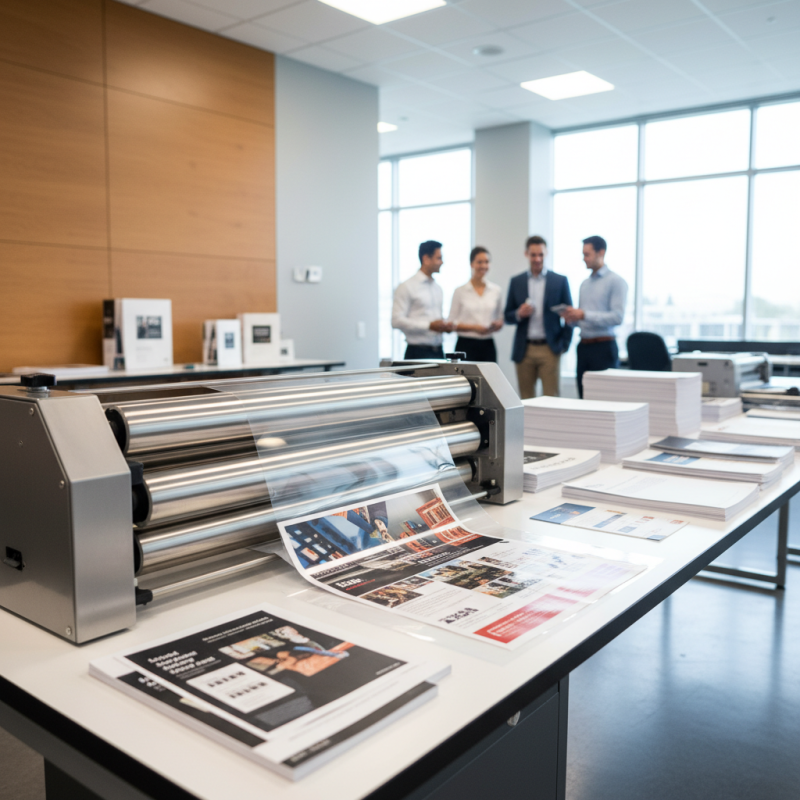
Benefits of Using a Roll Lamination Machine in Business Operations
Roll lamination machines are becoming essential in various business operations. They offer a practical solution for enhancing document durability and visual appeal. According to a recent industry report, businesses utilizing lamination can witness efficiency boosts of up to 30%. This increase is crucial for companies aiming to streamline their processes.
Laminating materials protect from wear and tear. Items like brochures, menus, and ID cards last longer when laminated. The investment in a roll lamination machine can lead to lower replacement costs over time. However, businesses should consider the space and maintenance involved. Some users report difficulties with operational training, highlighting a need for proper onboarding procedures.
Tip: When selecting a roll lamination machine, assess your volume needs carefully. Matching the machine capabilities with your output can prevent over-investment.
Efficiency in production can also be enhanced. Continuous roll lamination machines allow for faster processing. This means less downtime and more output. However, mistakes during the lamination process can lead to waste and frustration. It’s essential to establish quality checks to minimize errors.
Tip: Regularly review your lamination processes. Even small adjustments can yield significant improvements. Embrace a culture of feedback for continuous betterment.
Types of Materials Suitable for Roll Lamination
Roll lamination is a versatile process. It is ideal for a wide range of materials. Many businesses benefit from using this technique.
Common materials for roll lamination include paper products. This can include posters, menus, and brochures. These items require protection from moisture and wear. Laminating them enhances their durability. Another suitable material is card stock. Laminated cards, such as business or ID cards, can withstand daily use.
Plastic sheeting is also a viable option. It can be clear or colored. Protecting documents with plastic gives them a fresh look. However, not all materials work well. Some thin or delicate items may not withstand the pressure and heat. This requires careful selection and testing before lamination. Adjustments may be necessary to achieve the best results. Understanding each material's properties is crucial for effective lamination.
Key Features to Consider When Choosing a Roll Lamination Machine
When selecting a roll lamination machine, several key features must be considered. First, look at the machine's capacity. It should meet your production requirements. Machines with higher speed and volume are essential for larger operations. You might need to compromise on quality for speed, which can lead to unsatisfactory results.
Another critical aspect is the type of lamination film used. Ensure the machine is compatible with various film types. Some machines might struggle with thicker film or specific finishes. This incompatibility could limit your options and efficiency.
**Tip:** Always check for user reviews. They can shed light on real-world performance and issues.
Power settings also matter. Adjustability can make a significant difference in the final product. A machine with limited settings could lead to uneven lamination. A poorly executed lamination process can waste materials and generate frustration.
**Tip:** Test the machine before buying. A hands-on approach can reveal flaws that specs might not show.
Focus on your production flow. A good roll lamination machine should integrate well with your existing equipment. Analyze your workspace and consider maintenance needs. A machine that takes too long to clean or repair can disrupt your operations.
Cost-Effectiveness: Analyzing Investment vs. Returns
Investing in a roll lamination machine can be a game changer. Cost-effectiveness is key for businesses. It’s essential to analyze the upfront investment compared to the potential returns. A good machine can streamline production. It reduces labor costs significantly. This efficiency can lead to increased profitability.
Consider the long-term benefits. The machine is durable and can cover high volume needs. Maintenance costs are generally manageable. However, initial expenses might seem high. Many businesses hesitate due to budget constraints. It's important to calculate the breakeven point. Understanding how quickly you can recoup your investment is crucial.
Moreover, the quality of laminating can enhance product presentation. It can attract more customers. While some may optimize operations without a machine, the results often vary. Further, relying on manual methods might lead to inconsistencies. Assessing these pros and cons can help in making an informed choice. Balancing costs with projected returns is vital for sustainable growth.
Maintenance Tips for Optimal Performance of Roll Lamination Machines
Roll lamination machines are vital for protecting and enhancing materials. However, without proper maintenance, their performance can decline. Regular checks on parts are essential. Ensure the roller surfaces are clean and free from debris. Any buildup can affect the quality of your finished products. Inspect the heating elements too. They need to function optimally for effective lamination.
Lubrication is key. Moving parts require regular oiling to prevent wear and tear. A squeaky machine often indicates that something is amiss. Don’t ignore it. Also, consider the temperature settings. Too high can warp materials, while too low may not bond them effectively. Pay attention to the speed settings as well. If products are inconsistent, it may be time to adjust.
Lastly, consider training for your staff. Even small errors can lead to significant issues. Encourage them to observe details carefully. Regular training can help mitigate mistakes. Machines are only as good as their operators. A well-maintained roll lamination machine can elevate your business, but attention to detail is vital.
Performance Metrics of Roll Lamination Machines

