
How to Choose Nylon Insulated Terminals for Your Project?

Choosing the right hardware for your project is crucial. One important choice is the Nylon Insulated Terminal. These terminals are popular for their durability and insulation properties. They protect connections and enhance safety.

When selecting Nylon Insulated Terminals, consider the wire gauge. Different sizes cater to various applications. It's essential to match the terminal to your wire's capacity. Also, think about the environment. High temperatures or moisture might affect performance. Not all terminals handle extreme conditions well.

Reflect on your specific needs. Are you working with automotive, marine, or household wiring? Each context may require different features. Review your options carefully. A small mistake can lead to significant issues later. Nylon Insulated Terminals can offer great benefits if chosen wisely.
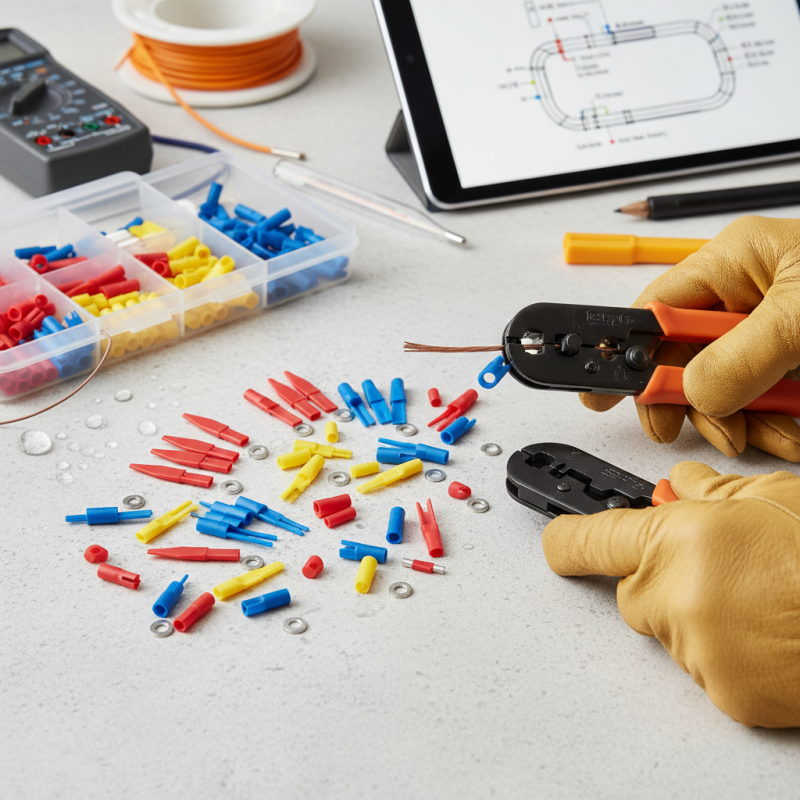
How to Choose Nylon Insulated Terminals for Your Project?

Understanding Nylon Insulated Terminals: Types and Applications

Nylon insulated terminals come in various types and serve diverse applications. A common type is the butt connector, often used in wire splicing. These connectors provide strong, reliable connections in automotive wiring. They help prevent corrosion, ensuring longevity in harsh environments. Understanding the specific use of each terminal is vital. For instance, ring terminals offer a secure method for grounding.

Another widely used type is the spade terminal. This option is ideal for quick disconnections. Spade terminals allow for easy replacement and maintenance. They are commonly found in household appliances and electronic devices. It’s important to choose the correct size to ensure a snug fit.

While nylon insulated terminals are robust, selecting the wrong type can lead to issues. Incompatibility may result in poor connections or even electrical faults. Always verify the specifications and requirements of your project. A little extra time in research can prevent costly mistakes down the line. It's also worth considering the environment where the terminals will be used.

Key Factors to Consider When Choosing Nylon Insulated Terminals

When choosing nylon insulated terminals, several key factors come into play. First, consider the wire gauge. Different terminals accommodate various wire sizes. Ensure that the terminal fits snugly. A loose connection may lead to overheating. Too tight, and you risk damaging the wire. It’s a delicate balance that requires attention.

Next, think about the application. Will these terminals be exposed to moisture, heat, or chemicals? Nylon offers great insulation, but not all nylon is created equal. Some may degrade under certain conditions. Research the environmental exposure for your project. This helps in selecting the right type.

Don’t forget about ease of installation. Some terminals come in designs that simplify soldering or crimping. This can save valuable project time. Yet, if they’re overly complex, frustration may arise. Simplicity often leads to better results. Test different terminals to see which work best for you. The choice may seem small, but it impacts the entire project.

Evaluating Terminal Size and Compatibility for Your Project

When evaluating terminal size and compatibility for your project, it is crucial to consider various factors. The wire gauge is a primary concern. Ensure that the terminal fits the wire gauge you plan to use. For instance, using a terminal too small can lead to poor connections. Choose terminals that match your wire's diameter for optimal results.

Compatibility also extends to the application environment. Are the terminals being used in a humid area? If yes, consider terminals with better insulation ratings. Temperature can affect performance too. Some terminals may not withstand extreme heat or cold. Reflect on the specific conditions your project will face.

Another aspect to ponder is the type of connection needed. Do you require a crimp or a solder type terminal? Each has its benefits and drawbacks. Crimping might seem easier, but improper technique can lead to failures. Think carefully about the installation method. It's essential to weigh these considerations against your project's needs. It's normal to have doubts. Test a few options before committing. Each decision shapes your project's success.

Assessing Environmental Factors Impacting Terminal Selection

When selecting nylon insulated terminals, environmental factors play a crucial role. Temperature fluctuations can affect the performance of the terminals. According to the Joint Electron Device Engineering Council, terminals must withstand a specific temperature range to ensure durability. High temperatures can lead to insulation breakdown, while low temperatures can cause brittleness. These conditions should guide your choices wisely.

Moisture and exposure to chemicals are additional considerations. The National Electrical Manufacturers Association suggests that terminals in damp environments require superior insulation properties. Corrosive substances can degrade materials quickly, compromising the terminal's function. Users must evaluate the site conditions carefully to avoid costly failures.

It's essential to remember that no terminal is perfect. Some may not perform as expected under extreme conditions. A recent study indicated that around 30% of terminal failures in harsh environments are due to improper selections. This highlights the need for thorough assessment and testing. Balancing material properties with environmental factors is crucial for optimal performance.

Installation and Safety Tips for Nylon Insulated Terminals

When installing nylon insulated terminals, safety should be the top priority. These terminals are designed to prevent short circuits and ensure reliable connections. Reports indicate that improper installation can lead to failures in as many as 30% of electrical systems. Such failures often arise from incorrect crimping or inadequate insulation, which can be costly.

It’s crucial to select the right size terminal. A terminal that is too small may damage wires, while one that is too large may cause loose connections. According to industry standards, proper terminal selection reduces the risk of electrical hazards. A measurement error of just a few millimeters can result in significant safety issues. Inspect the wire and terminal specifications carefully before proceeding with the installation.

After crimping, check the connection. A small tug can indicate whether the crimp is secure. If it fails, reconsider your technique. Data shows that nearly 20% of crimped connections require rework due to inadequate pressure. This suggests a need for improved skills or tools. Always keep the workspace clear and organized. Distractions can lead to mistakes that compromise safety. Being meticulous is not just a suggestion; it’s essential for successful installations.