
Choosing the right 310 Stainless Steel Pipe is crucial for various industrial applications. This alloy is known for its excellent corrosion resistance and high-temperature strength. According to a recent market report, the demand for stainless steel pipes has grown by over 5% per year, highlighting the significance of selecting quality materials.
When evaluating a 310 Stainless Steel Pipe, consider the specific conditions it will face. Factors like temperature extremes and exposure to harsh chemicals play a vital role. An industry study indicates that improper material choices can lead to significant failures, costing businesses both time and money.
Expert guidance emphasizes the importance of understanding your project's requirements. Ensuring you select the right specifications is not just about performance; it's about reliability and safety. Each project has unique challenges that can make or break your success. Careful attention to detail in your choice can prevent future issues, enabling smoother operations.
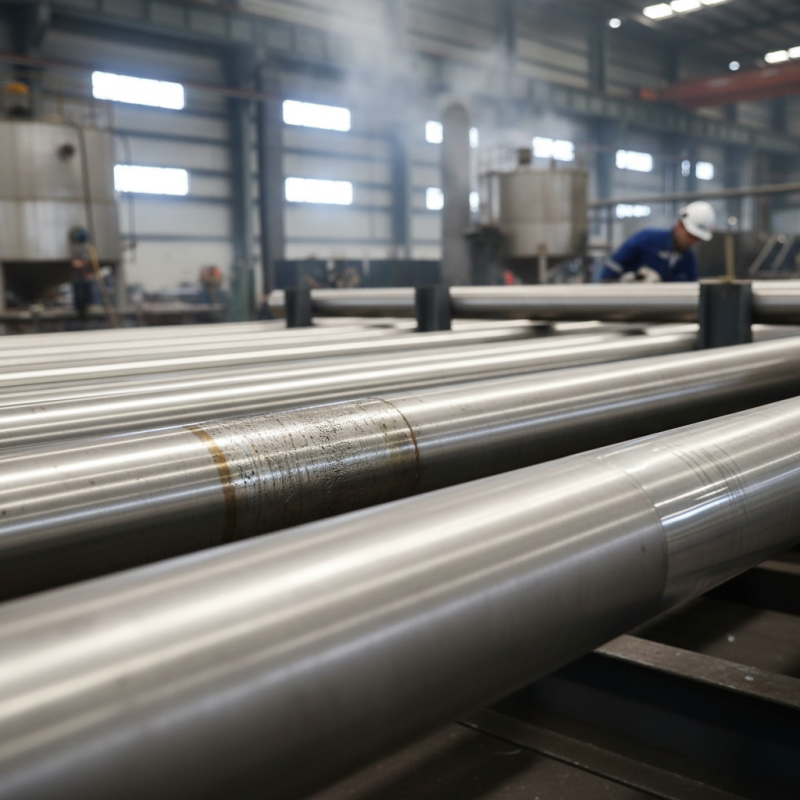
310 stainless steel is known for its excellent corrosion resistance and high-temperature strength. Its primary alloying elements include chromium (24-26%) and nickel (19-22%). These components provide durability and make it suitable for various applications, especially in environments that experience extreme heat.
Several industry reports highlight that 310 stainless steel performs well in oxidizing atmospheres. This steel can withstand temperatures up to 2100°F (1149°C). Its high chromium content offers protection against oxidation, making it ideal for heat exchangers, furnace components, and kilns. However, one must be cautious as this material can still undergo grain boundary carbide precipitation at high temperatures.
**Tips**: When selecting a 310 stainless steel pipe, consider potential thermal cycles it may encounter. Assess the environment to ensure compatibility. Additionally, be aware of the risks associated with overexposure to temperatures above its rated capabilities. A thorough understanding of the expected conditions can prevent costly failures.
The mechanical properties of 310 stainless steel are noteworthy. It boasts a yield strength of about 30,000 psi and an ultimate tensile strength of approximately 75,000 psi. More importantly, the weldability of this alloy should not be overlooked. Improper welding can lead to weakened structures. Thus, proper techniques must be applied during fabrication to maintain integrity.
| Property | Description | Typical Value/Range |
|---|---|---|
| Chemical Composition | Main alloying element is chromium and nickel. | 25% Chromium, 20% Nickel |
| Corrosion Resistance | Excellent resistance in corrosive environments. | High resistance to oxidation |
| Temperature Resistance | Can withstand high temperatures without losing strength. | Up to 1150°C (2100°F) |
| Mechanical Properties | Good mechanical properties at both ambient and elevated temperatures. | Tensile strength: 520 MPa |
| Weldability | Good weldability but requires specific techniques. | Needs pre-heating |
| Applications | Used in high-temperature applications. | Furnaces, heat exchangers |
When selecting 310 stainless steel pipes, various factors demand careful consideration. The chemical composition is crucial. Typically, 310 stainless steel contains about 25% chromium and 20% nickel, providing excellent oxidation resistance at high temperatures. This alloy's strength and thermal stability make it ideal for elevated temperatures in industrial applications.
Corrosion resistance is another significant factor. Reports indicate that 310 stainless steel exhibits better resistance than 304 or 316 grades in harsh environments. However, users should assess specific application conditions. Sulfuric acid exposure can still lead to pitting. The mechanical properties of 310 pipes vary. Understanding these differences ensures that the right grade is used.
Finally, evaluating the pipe dimensions is essential. Sizing affects performance and integration into existing systems. A poorly sized pipe can lead to increased maintenance costs and reduced efficiency. Communication with suppliers about specific needs can help mitigate issues. Keep in mind that not all suppliers provide the same level of quality assurance, which can lead to variability in performance.
310 stainless steel pipes are known for their exceptional heat resistance and corrosion resistance. They are commonly used in a variety of industries, including oil and gas, chemical processing, and aerospace. In oil and gas, these pipes withstand extreme temperatures and harsh environments. Their durability helps prevent leaks and failures in critical applications.
In chemical processing, 310 stainless steel pipes are preferred due to their ability to handle corrosive substances. They resist oxidation and can endure varying pH levels. This reliability reduces maintenance costs and downtime. In aerospace, these pipes are vital for high-performance applications. They contribute to the safety and efficiency of aircraft components.
Choosing the right 310 stainless steel pipe demands careful consideration. The specific needs of your project will dictate the dimensions, wall thickness, and tolerance levels required. It’s crucial to evaluate factors like pressure and temperature conditions. This process can reveal nuances in your application. Not all pipes perform the same under each condition, leading to potential discrepancies if overlooked. Understanding these details is essential for optimal performance.
When choosing a stainless steel pipe, the grade is crucial. 310 stainless steel has unique properties that set it apart from other grades. It offers excellent corrosion resistance and can withstand high temperatures. This makes it ideal for high-stress applications.
Compared to 304 and 316 stainless steels, 310 has a higher nickel content. This means superior strength at elevated temperatures. 304 is more cost-effective but less suitable for extreme conditions. 316 provides better defense against corrosion in marine environments. Each grade has its advantages and drawbacks.
Tips: Consider your specific application when selecting stainless steel. Evaluate the environment and conditions your pipe will face. It may be tempting to choose the most expensive option, but cost-effectiveness is vital. Don’t rush the decision. Make sure to analyze material specifications thoroughly. Choosing the right grade can save you time and money in the long run.
Maintaining 310 stainless steel pipes requires careful attention. Regular inspections are vital to identify any signs of corrosion or wear. Even minor scratches can lead to larger issues over time. Ensure that the pipes are cleaned regularly to prevent buildup that can affect their performance.
Proper storage is also essential for these pipes. Storing them in a dry environment helps prevent moisture accumulation. Use protective covers to shield them from dust and debris. When transporting these pipes, avoid contact with abrasive materials that could damage their surface.
Regular maintenance habits, such as lubrication, might be overlooked. Many users forget that even stainless steel can benefit from a light oil application. This helps to protect against corrosion. However, not all oils are suitable, so research is necessary. It’s imperative to develop a routine that suits your specific use case. Ignoring the simple maintenance tasks can lead to expensive replacements down the line.