How to Choose the Best Trucker Caps for Your Brand
A Trucker Caps order can put your brand in daily view, but the wrong fit or finish may keep it on the shelf. Choosing well means looking beyond color and logo placement. Consider who will wear the cap, where they will use it, and how often. A promotional giveaway may need a different balance of cost and durability than a retail product. The familiar mesh back, structured front, curved brim, and adjustable closure each affect comfort and appearance. Small details matter. A scratchy seam or stiff crown can change how a cap feels after a full afternoon outdoors.
Start by comparing materials, panel shape, closure type, and decoration options against your brand’s needs. Ask suppliers about fabric specifications, available sizing, sample production, and quality checks. Then inspect a physical sample: check the stitching, test the closure, and wear it for a few hours. Fit is personal. Gather feedback from people with different head sizes before committing to a large run. Also confirm that logo colors and embroidery details remain clear at the chosen size. A digital mockup helps, but it cannot reveal every issue; that is worth remembering. This guide explains how to weigh comfort, construction, customization, supplier reliability, and budget when selecting Trucker Caps. The aim is not to find a cap that looks impressive only in a product photo. It is to choose one people will reach for, while making careful trade-offs where no single option suits everyone.
Define Your Brand’s Audience, Purpose, and Cap Requirements
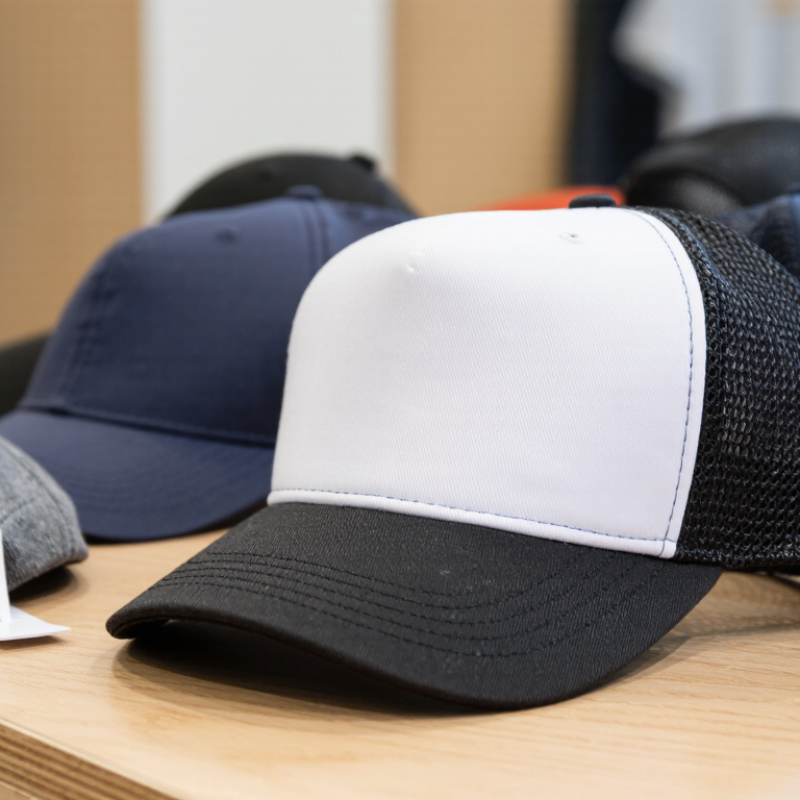
Start with the people who will wear the cap, not the logo you hope to place on it. A cap for outdoor crews needs breathable mesh, a secure fit, and a sweatband that feels comfortable through a long shift. For event giveaways, easy sizing and broad appeal may matter more than premium trim. Know the setting, too. A foam-front cap can show a bold design clearly, while a softer crown may suit everyday wear better.
Turn those observations into a short requirements list. Note the preferred crown height, brim shape, closure type, and available sizes. Check whether the front panel can support your decoration method without puckering. Ask for fabric and construction details, and compare a physical sample when possible. Photos rarely show how stiff the crown feels or whether the mesh scratches sensitive skin. Small details matter.
Set a realistic budget and order quantity before reviewing options. Then test samples on people who match your audience, ideally in the conditions where they will wear them. Ask about pressure at the temples, heat, and how the cap sits after several hours. Feedback can conflict. That is useful, though it may force a trade-off between appearance, comfort, and cost. Decide which requirement cannot bend, and record why.
Compare Trucker Cap Materials, Panels, Closures, and Construction
Choosing a trucker cap starts with the material, because the front panel and back mesh affect comfort, shape, and print quality. Cotton twill feels soft and takes embroidery well, while polyester often holds its color and dries faster. Foam fronts create a smooth surface for bold graphics, but they can feel warm in direct sun. Feel the difference. Mesh should bend without scratching the skin or collapsing after a light squeeze.
Panel count changes the cap’s profile. A structured, multi-panel crown keeps a crisp shape, while an unstructured front sits more casually and may wrinkle during shipping. Check the seam placement before approving artwork; a design that looks centered on screen can shift across a panel seam. Small details matter. Stitch density, reinforced stress points, and a tidy sweatband can help a cap hold up through repeated wear. Still, extra structure is not always better. A stiff crown may suit a display item but feel awkward for everyday use.
Closures shape both fit and finish. Snapbacks allow quick adjustment and are easy to inspect, while fabric straps with buckles offer a softer, less sporty look. Try the closure with different head sizes, and check that the strap stays secure after repeated adjustments. Sample the cap before ordering in volume. Wear it outdoors, bend the brim, and wash it according to the care instructions. One detail can disappoint: a comfortable mesh cap may still sit too high. That trade-off is worth noticing early.
Select Colors, Shapes, and Customization That Fit Your Brand
Color is the first signal people notice, but it should work with your brand’s everyday palette. Compare fabric swatches beside your logo, not just on a screen; mesh and solid front panels can make the same color look different. Check samples in daylight and indoor lighting. Small details matter.
Choose a shape that suits the people who will wear the cap. A higher foam crown gives a bold, roomy front for larger artwork, while a lower profile can feel more understated. Curved brims tend to look casual; flatter brims create a sharper outline. Try samples on different head sizes, since a cap that looks balanced on a table may feel awkward when worn.
Customization should remain clear at a glance. Embroidery adds texture, but very fine lettering can close up on a small panel. A woven patch can preserve detail, though it may feel too formal for some designs. Place the logo where seams will not interrupt it, and ask for a physical sample before approving a large order. That extra step can reveal color or fit issues. Sometimes the first mockup still feels slightly off; adjust one element at a time rather than changing everything.
Color Contrast for Trucker Cap Customization
Contrast ratios are calculated from the listed digital hex colors using the WCAG relative-luminance method. For digital text, WCAG recommends at least 4.5:1 for normal-sized text. Fabric color, lighting, and embroidery texture can affect how a physical cap looks.
Evaluate Suppliers for Quality, Pricing, and Production Reliability
When choosing a trucker cap supplier, request a sample made with the materials you plan to order. Check the mesh for rough edges, the brim for even shaping, and the front panel for stable stitching. Wear the sample for a few hours. Notice whether the sweatband feels comfortable and the cap keeps its shape. Small details matter.
Compare quotes only after confirming what each price includes, such as embroidery, labels, packaging, and shipping. A low unit price can hide setup fees or stricter minimum quantities. Ask for a written production timeline and how the supplier handles rejected pieces or material shortages. One detail teams sometimes miss is color consistency across separate production runs. It deserves a clear check, even if it adds time. Ask how quality checks are documented, and request updates at agreed milestones rather than relying on a final delivery date alone.
Tips: Keep one approved sample for comparison. Record measurements, thread colors, and fabric details. Ask direct questions, then review the answers against the sample. No checklist catches everything. Leave room for a small delay.
Test Samples and Confirm Specifications Before Placing an Order
A sample can reveal problems that a product photo hides. Check the cap in daylight, where thread and fabric colors are easier to judge. Feel the mesh, sweatband, and brim; stiff mesh may look crisp but feel uncomfortable after an hour. Try the snap closure at several settings. Note whether the crown sits evenly and whether embroidery pulls the front panel out of shape. I once focused too much on color and missed a tight fit. It was an avoidable oversight.
Tips: Wear the sample for a full hour. Photograph it from the front, side, and back. Write down every change, even small ones.
Before ordering, confirm the details in writing. Specify fabric composition, color references, panel measurements, closure type, logo placement, and stitching method. Ask which measurements have acceptable tolerances, then compare the approved sample against those specifications. If the sample uses a different fabric or production method, request another review sample. Small differences can add up across a large order. Keep a dated approval record, and clarify how packaging and labeling should match the sample. A sample is evidence, not a guarantee, so ask how the finished caps will be checked before shipment.

