

What Is CNC Machine Training and Who Needs It?
Cnc Machine Training teaches people how to prepare, operate, and monitor computer-controlled machine tools. It connects digital instructions with real cuts in metal, plastic, or wood. A trainee may read a drawing, set a work offset, load a tool, and check the first part with calipers. Small details matter. A misplaced decimal or incorrect tool offset can spoil a workpiece, waste material, or create a safety hazard. Training helps learners understand why each setup step matters, not just which buttons to press.
CNC programming author Peter Smid’s published guidance points to a practical lesson: understanding the program is as important as running it. That idea reflects the work itself. Operators need to interpret code, recognize tool paths, inspect finished parts, and respond calmly when measurements differ from the print. They also need hands-on practice, since a screen cannot fully reproduce a machine’s sound, vibration, or cutting behavior. Who needs this training? New machinists, production workers moving into CNC roles, students in technical programs, and experienced operators learning unfamiliar equipment may all benefit. Some need programming skills; others need reliable setup and inspection habits. The right course depends on the machine, materials, and tasks involved. A short class may introduce controls, but it cannot replace supervised practice. That distinction is easy to overlook. Good training builds confidence while encouraging careful checks, questions, and reflection before a tool touches the workpiece.
What CNC Machine Training Covers
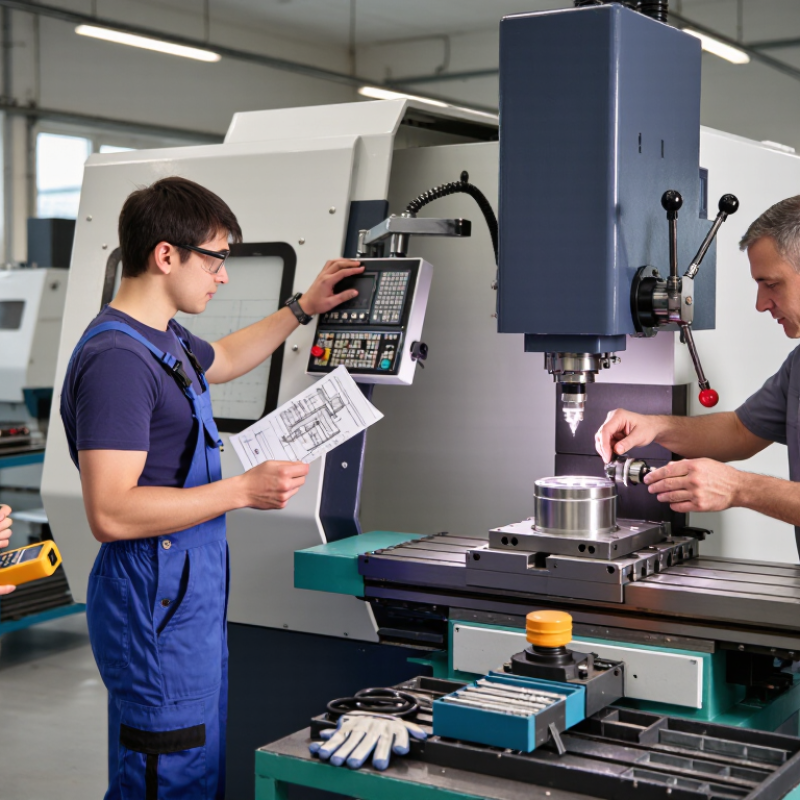
CNC machine training covers the practical steps needed to operate equipment accurately and safely. Trainees learn how to identify machine components, read basic setup instructions, and check guards and emergency stops before a job begins. They practice securing material in a vise or other fixture, selecting suitable cutting tools, and setting work and tool offsets. Small setup errors matter. A misplaced offset can send a cutter into a clamp or produce a part outside its required dimensions.
Instruction often includes reading engineering drawings, understanding common G-code commands, and adjusting feeds and speeds for a material and tool. Trainees also learn to inspect finished parts with calipers or micrometers, compare measurements with tolerances, and record results. A good course includes supervised time at the control panel, not just slides or simulator exercises. Learners should see how chips, tool wear, and unusual sounds can signal a problem, and know when to pause and ask for help. The exact curriculum varies by machine and workplace. Some courses move quickly through measurement; that is easy to underestimate, and repeated practice is what builds confidence.
What Is CNC Machine Training and Who Needs It? — What CNC Machine Training Covers
| Training Area | What It Covers | Who Needs It | Typical Practical Activity | Learning Outcome |
|---|---|---|---|---|
| Machine Safety | Safe operating procedures, emergency stops, guarding, personal protective equipment, and awareness of rotating tools and moving machine components. | All new CNC operators, trainees, and employees who work near CNC equipment. | Identify hazards, inspect guards, and follow a supervised startup and shutdown checklist. | Recognize common hazards and follow established safety procedures. |
| Machine Fundamentals | Machine axes, work envelope, spindle, tool changer, workholding, and the differences between common milling and turning operations. | Entry-level operators, production workers moving into CNC roles, and technical students. | Identify machine components and observe how axis movement relates to a part and its setup. | Understand the main machine functions and terminology. |
| Blueprints and Measurement | Reading basic engineering drawings, dimensions, tolerances, surface finish symbols, and measurement units. | Operators, machinists, inspectors, and anyone checking machined parts. | Read a drawing and measure sample features with suitable inspection tools. | Connect drawing requirements to part inspection and production checks. |
| Workholding and Setup | Securing stock, selecting suitable fixtures, establishing work coordinates, and checking setup clearance before machining. | CNC operators and machinists responsible for preparing jobs or changing over production runs. | Secure a workpiece and verify its position and clearance under supervision. | Prepare a stable, repeatable setup while reducing the risk of collisions. |
| Tools and Offsets | Tool identification, tool length and diameter offsets, wear adjustments, and basic considerations for tool selection. | Operators and machinists who load tools, monitor tool condition, or make approved adjustments. | Check tool information and enter or verify offsets according to the machine procedure. | Understand how tool data affects cutting position and part dimensions. |
| G-Code and Program Basics | Common program structure, coordinate values, feed and spindle commands, tool calls, and the purpose of frequently used preparatory and miscellaneous codes. | Operators who review programs, CNC trainees, and machinists learning to edit or write basic programs. | Trace a simple program and identify its tool movements and major commands. | Interpret basic program instructions and recognize when a program needs review. |
| Machine Operation | Loading a program, checking setup details, using graphics or simulation where available, and running a first part with appropriate supervision. | Operators and trainees assigned to operate CNC equipment. | Complete a supervised run, monitor the machine, and respond appropriately to an interruption. | Operate equipment according to workplace procedures and the approved process. |
| Inspection and Quality Checks | In-process measurement, comparison with drawing tolerances, recording results, and recognizing trends or out-of-specification parts. | Operators, machinists, quality personnel, and production leads. | Measure selected features and document results using the required inspection method. | Verify parts against requirements and escalate quality concerns promptly. |
| Troubleshooting and Maintenance | Recognizing abnormal noise, vibration, tool wear, chip problems, and machine alarms; routine cleaning and checks within the operator’s authorization. | Experienced operators, machinists, and maintenance staff, with responsibilities matched to their role. | Use a checklist to report an abnormal condition and perform permitted routine care. | Identify issues early and distinguish operator tasks from work requiring qualified service personnel. |
| Programming and Process Improvement | More advanced program creation or editing, toolpath planning, cutting parameters, setup efficiency, and process verification. | Programmers, experienced machinists, manufacturing technicians, and engineers working with CNC processes. | Develop or revise a controlled sample program and verify it before production use. | Build skills for improving machining processes while maintaining safety and part quality. |
Related Posts
-
Elevate Your Cnc Milling Capabilities at the Record Breaking 137th Canton Fair
-
Exploring the Unique Features and Applications of Diverse Cnc Machining Alternatives for Global Buyers
-
Essential Techniques for Optimizing CNC Manufacturing Efficiency in Your Factory
-
5 Reasons Why Best CNC Manufacturing Leads to Exceptional Product Quality
-
The Definitive Handbook to Selecting the Best Machine Tools for Your Manufacturing Needs
-
Top Strategies for Sourcing the Best Precision Tools for Global Supply Chains