What is CNC Machining and How Does it Work?

CNC machining is a modern manufacturing process that uses computer-controlled machines. It plays a vital role in various industries, from aerospace to automotive. The precision of CNC machining allows for the creation of intricate parts that meet exact specifications.

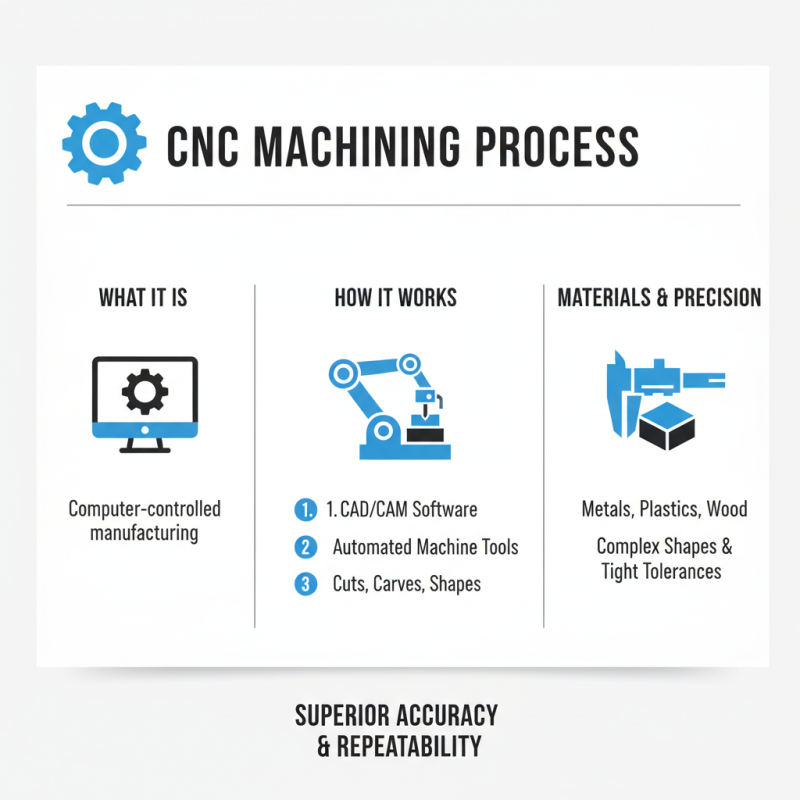
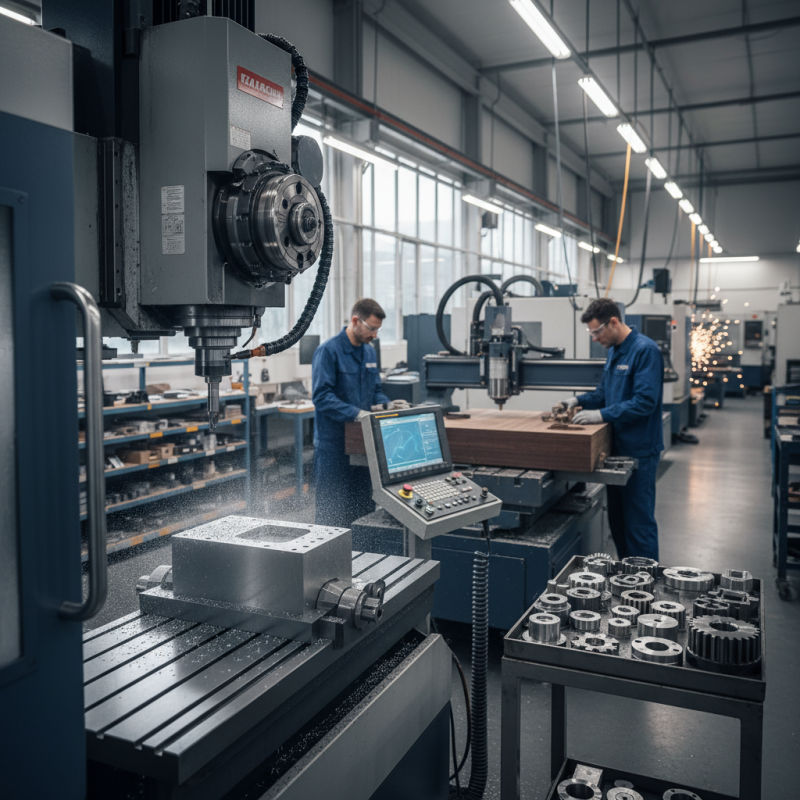
Understanding how CNC machining works is essential. The process begins with a digital design, often created in CAD software. This design is then translated into code that guides the CNC machine. The machine can mill, drill, and cut materials with high accuracy. Commonly used materials include metals, plastics, and wood.

Despite its benefits, CNC machining is not without challenges. Operators must continually monitor machines for errors. Even with technology, human oversight is crucial. Mistakes can lead to wasted materials and time. Reflection on these challenges helps improve the process and enhance productivity in manufacturing.
What is CNC Machining and How Does it Work?

What is CNC Machining?

What is CNC Machining and How Does it Work?

CNC machining, short for Computer Numerical Control machining, is a manufacturing process. It involves the use of computers to control machine tools. These machines can cut, carve, and shape various materials, like metal, plastic, and wood. The precision of CNC machining is impressive. It allows for complex shapes and tight tolerances not achievable by hand.

The process begins with a digital design file. This file is created using CAD (Computer-Aided Design) software. The machine reads this file and translates it into commands. These commands dictate how the machine moves and operates. The cutting tools are precise and can operate at high speeds. However, programming errors can lead to issues, resulting in wasted materials.

Materials are often held in place with clamps or fixtures. This setup is crucial for accuracy. Even minor misalignments can affect the final product. Operators need to calibrate machines regularly. Regular maintenance and quality checks are necessary too. This ensures that the machines remain reliable and produce high-quality parts. Mistakes can be costly, and reflection on these processes can lead to improvement.

The History and Development of CNC Technology

CNC technology has a fascinating history. It began in the 1940s with the development of numerical control (NC) systems. Early machines used punched tape to guide their movements. These machines transformed the manufacturing industry. By the 1960s, digital computers started to replace these early systems. Companies began recognizing the benefits of automation in production.

Data shows that CNC machining has grown significantly. In 2020, the CNC machine market was valued at over $63 billion. Predictions suggest it will reach around $100 billion by 2026. This growth reflects advances in technology and the increasing demand for precision in manufacturing. Despite this, some challenges remain. Many smaller manufacturers struggle to adopt CNC technology due to high costs.

As the technology evolves, new materials and techniques emerge. It is essential for companies to stay updated. The skills gap in the industry also needs attention. Training programs are vital to prepare workers for the future. Not every organization is adapting quickly enough, which could hinder progress. The CNC landscape continues to change, inviting both opportunity and reflection.

How CNC Machining Works: A Step-by-Step Process

CNC machining is a process that transforms raw materials into precise parts. It involves a computer-driven machine that cuts, drills, and shapes materials like metals, plastics, and wood. According to industry reports, the global CNC machining market was valued at around $63.53 billion in 2021. This figure is expected to grow as precision and efficiency become more critical in manufacturing.

The process of CNC machining begins with CAD software. Engineers create a detailed design, ensuring every dimension is correct. Next, the design is converted into a CNC program. The machine then reads this program, translating it into specific movements. It’s a fascinating blend of creativity and technology. However, inaccuracies in the initial design can lead to wasted materials and time. In fact, reports indicate that up to 30% of CNC operations can face delays due to design flaws.

After the program is set, the machining stage begins. The machine cuts away excess material to achieve the desired shape. This requires precise control and careful calibration. A small error can result in significant defects. Many manufacturers realize that a single mistake at this stage can multiply costs. Thus, a strong focus on quality at each step is essential for success. The challenges in maintaining consistency shine a light on the need for continuous improvement in the process.

Components of a CNC Machine: An Overview

CNC machines are built from several critical components that ensure precision and efficiency. The core of these machines is the Computer Numerical Control unit. It converts digital designs into actionable commands. This unit is paired with a drive system, which controls the movement of the machine's tools and workpiece. Reports from the Precision Machining Industry show that nearly 70% of manufacturers rely heavily on CNC technology for their operations.

Another vital component is the spindle, which holds the cutting tools. It operates at varying speeds according to the material being processed. Effective spindle design can significantly affect the quality of the final product. According to industry data, defects can arise from inadequate spindle performance, leading to costly rework. The coolant system also plays a key role in maintaining the machinery’s temperature, preventing overheating during operation.

The machine's frame is equally important. It supports all components and minimizes vibrations. A poorly designed frame can lead to inaccuracies during machining. Some manufacturers have reported that improper alignment within the frame results in diminished part quality. With CNC, each part's precision is paramount; even minor misalignments can compound errors in high-volume production runs.

What is CNC Machining and How Does it Work? - Components of a CNC Machine: An Overview

Component Function Material Used Typical Applications
CNC Controller Directs the movement of the machine's parts Electronics All types of CNC machines
Drive Motors Provide power and movement Steel and aluminum Milling, turning, and routing
Spindle Holds and rotates the cutting tool High-grade steel Machining various materials
Machine Bed Supports all other components Cast iron or steel All CNC applications
Tool Holder Secures the cutting tool Aluminum or steel Milling and turning operations
Coolant System Reduces heat and friction Plastic and metal components Metal machining processes

Applications of CNC Machining in Various Industries

CNC machining is widely used across various industries. One key sector is aerospace. Parts for aircraft must be precise and durable. CNC machines can create complex shapes that meet strict safety standards. Though, sometimes, errors occur in programming. A small mistake might lead to significant issues in the final component.

Another area is automotive manufacturing. Car parts, from gears to frames, benefit from CNC machining. The process allows for high-speed production, improving efficiency. However, challenges remain. Material waste can be a concern. Optimizing the machining process is crucial to minimize this waste.

Medical equipment manufacturing also relies heavily on CNC machining. Intricate components for devices are produced with great accuracy. This precision is vital for functionality and patient safety. Yet, maintaining this level of precision can be difficult. Variability in materials may affect the outcome. Regular monitoring and adjustments are needed to ensure quality.