
Buying Bus Bar Copper is not a simple price comparison. The right choice affects current capacity, heat control, fit, and long-term reliability. A bar may look clean on a supplier’s table yet arrive with the wrong temper, thickness, or surface condition. Small differences matter. A few millimeters can change how a bus bar fits an enclosure or connects to a terminal.
This guide follows a practical principle from an illustrative, fictional copper-busbar specialist, Alex Morgan: “Match the copper to the load, the environment, and the fabrication process—not just the quoted price.” This is an editorial rule of thumb, not a verified quotation from a real expert. Buyers should compare copper grade and conductivity, dimensions and tolerances, temper, flatness, edge quality, and available test documentation. Ask how the material will be cut, bent, plated, or drilled. Then check that its specifications suit the actual electrical and mechanical design. Details vary by application. There is no universal best bar.
A low-cost offer can still be the right choice. Or not. Supplier traceability, packaging, lead time, and consistency between batches deserve attention too. A scratched surface or poorly protected edge may create extra work after delivery. The seven tips ahead help buyers ask sharper questions before placing an order. They are a starting point, not a substitute for qualified engineering review.
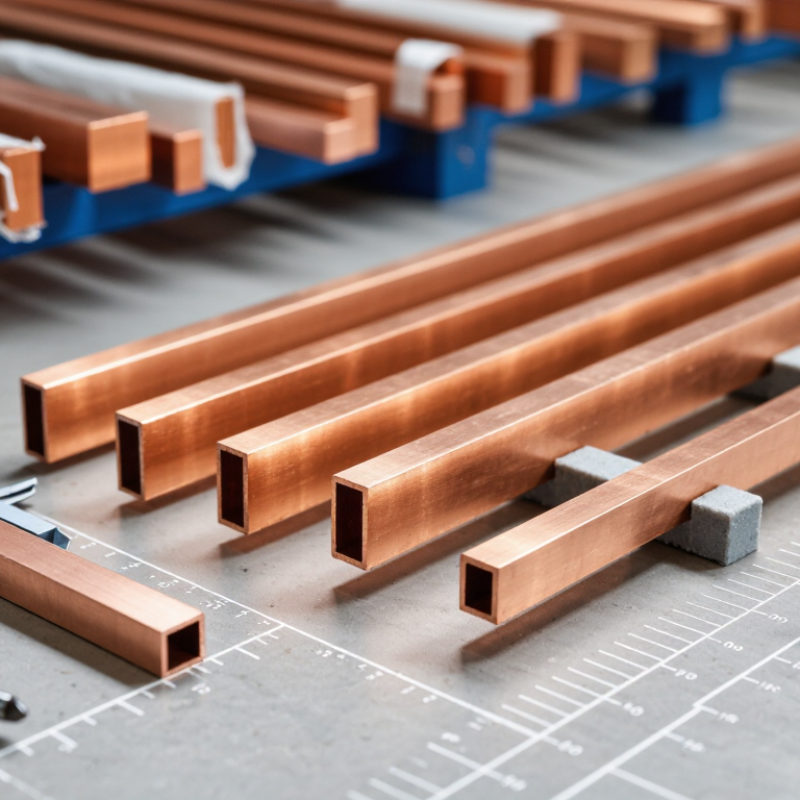
Determine the Electrical and Mechanical Requirements
Write down the service conditions before comparing bus bar copper. Record continuous current, short-circuit duration, ambient temperature, enclosure ventilation, and allowable temperature rise. Heat matters. The International Annealed Copper Standard sets 100% IACS conductivity at 58 MS/m at 20°C. This is a material benchmark, not an ampacity rating. Joint resistance, bar spacing, orientation, and airflow affect actual temperatures. IEC 61439-1:2020 treats temperature-rise verification as an assembly-level requirement, so a bare-bar rating cannot confirm a finished panel’s performance.
Specify dimensions, tolerances, hole locations, and copper temper. ASTM B187/B187M covers copper bus bars, rods, and shapes; temper matters because strength and formability vary. Check support spacing and fault forces, too. A bar may carry the normal load yet flex under short-circuit stress. IEC 60865-1 provides methods for assessing short-circuit effects on rigid conductors. Ask for conductivity and mechanical test documentation, then verify the assembled design against its intended duty. The spreadsheet may look precise. Real joints are less tidy.
At 20°C, resistance per metre is calculated using copper resistivity of 1.724 × 10⁻⁸ Ω·m. Larger cross-sections have lower resistance, but this comparison does not establish a safe current rating. When selecting bus bar copper, also check operating temperature, installation conditions, allowable voltage drop, mechanical support, and short-circuit forces.
Choosing a copper grade and temper starts with the busbar’s job. C11000 copper is commonly selected for its high electrical conductivity and broad availability. C10200 may suit applications where low oxygen content matters, but it is not automatically the better choice. Compare certified conductivity values, mechanical requirements, and the relevant material specification. Small details matter.
Temper affects how the copper behaves during fabrication and service. Annealed, softer material is easier to bend around a tight corner or drill near an edge. Cold-worked tempers generally offer greater strength, but may be harder to form without cracking. Temper names and properties can vary with product form and standards, so confirm the supplier’s documentation. A datasheet number alone is not the whole answer.
Think about the actual layout: long unsupported spans, bolted joints, vibration, and repeated bends all influence the choice. For example, a busbar with several formed offsets may need more formability than a straight, well-supported bar. Check that the selected grade and temper suit the joining method and operating environment, too. I would not assume one combination fits every panel; real assemblies can be less forgiving than a neat drawing suggests. A trial bend or sample cut can reveal issues before production.
7 Tips for Buying Bus Bar Copper: Compare Bus Bar Dimensions, Tolerances, and Finish
Compare width, thickness, hole locations, and corner radius against the actual assembly drawing. A bar can meet its nominal size yet still foul an enclosure or misalign with a terminal. ASTM B187/B187M covers copper bus bar products and dimensional requirements; confirm the applicable tolerances with your supplier before ordering. Small differences matter. Copper Development Association data for C11000 list minimum conductivity of 100% IACS. The International Annealed Copper Standard reference is 58 MS/m at 20°C. These figures help compare material data, but conductivity alone does not confirm fit or performance in your assembly.
Specify the finish, too. Bare copper may show handling marks or surface oxidation; inspect contact faces for burrs, dents, and unevenness. For plated bars, state the coating type and thickness, and check that holes and mating surfaces receive the required coverage. Ask for a drawing with measured dimensions, not just a catalog size. This sounds fussy, but a small tolerance stack can shift several holes enough to complicate installation. I still find finish easy to overlook when reviewing a quote. Record the accepted dimensional limits and finish requirements on the purchase specification, then check the delivered bars against them.
| 7 Tips for Buying Bus Bar Copper - Compare Bus Bar Dimensions, Tolerances, and Finish | |||
|---|---|---|---|
| Tip | What to Compare | Example Data or Specification | Why It Matters |
| 1. Match the cross-section to the design | Nominal width × thickness and theoretical mass per metre | 20 × 3 mm: 60 mm²; approximately 0.54 kg/m 25 × 5 mm: 125 mm²; approximately 1.12 kg/m 40 × 5 mm: 200 mm²; approximately 1.79 kg/m 50 × 10 mm: 500 mm²; approximately 4.48 kg/m | These mass estimates use a copper density of about 8.96 g/cm³. They are nominal estimates and do not account for holes, cut-outs, or coatings. |
| 2. State dimensional tolerances explicitly | Width and thickness limits, measurement method, and applicable product specification | Example purchase target for discussion: width ±0.20 mm and thickness ±0.10 mm. Confirm feasibility and acceptance limits with the supplier; these values are not universal requirements. | Tolerances vary with material condition, manufacturing process, size, and governing specification. Agreed limits help prevent fit-up problems. |
| 3. Specify length and straightness | Cut length, length tolerance, straightness, and squareness of cut ends | List each required cut length on the order and agree on a measurable length tolerance before production. For example, a buyer may request ±2 mm on a 2 m cut, subject to supplier confirmation. | Clear length requirements reduce rework and make installation and assembly more predictable. |
| 4. Choose a finish suited to the connection | Mill finish, cleaned or polished surface, or tin-plated surface | Specify the finish in writing. For plated material, also state the required coating thickness, coverage, and inspection method. Do not assume plating is included. | Surface condition can affect contact preparation, corrosion protection, and assembly. Select the finish based on the application and connection design. |
| 5. Confirm copper grade and conductivity | Material designation, temper or condition, and required conductivity | Identify the required grade, such as Cu-ETP / C11000 where appropriate, and request material test documentation. State any conductivity requirement and test basis in the purchase specification. | Different copper grades and conditions can have different electrical and mechanical properties. A named grade and documentation make material verification easier. |
| 6. Define edge condition and burr limits | Deburred, rounded, or as-cut edges; permissible burrs; edge damage | Specify whether edges must be deburred or rounded, and define any measurable limit required for the project. Check edges as well as the broad faces during inspection. | Sharp edges and burrs can create handling hazards, interfere with assembly, or damage nearby insulation. |
| 7. Plan incoming inspection and traceability | Certificates, dimensional checks, surface condition, and lot identification | Request traceable material documentation where required. Verify width and thickness with suitable measuring tools, check cut lengths, and inspect finish against the agreed order requirements. | A documented inspection plan helps confirm that delivered bus bar matches the purchase specification and supports quality records. |
| Note: Example dimensions and mass values are for comparison and planning only. Final selection, tolerances, material grade, finish, and acceptance criteria should be confirmed against the applicable design and purchase specification. | |||
For bus bar copper, a certificate is only useful when it matches the exact product and production site. Ask for a mill test report showing alloy or copper grade, temper, dimensions, and electrical conductivity. Check that the reported values match the purchase specification, not just a general catalogue. ASTM B187/B187M covers copper bus bar, rod, and shapes; request evidence that the supplied material meets the applicable requirements. Small mismatch, big headache.
Tip: Verify the certificate number and scope with the issuing body. ISO 9001 describes a quality-management system, but it does not certify a bus bar’s conductivity or dimensions. For laboratory results, check whether testing was performed by a lab accredited to ISO/IEC 17025, and confirm the relevant test is within its scope. The International Energy Agency’s Global Critical Minerals Outlook 2024 puts copper demand at about 26 million tonnes in 2023, rising to around 31 million tonnes by 2035 in its Stated Policies Scenario. That growth makes traceable quality records more than paperwork.
Tip: Inspect a sample for straight edges, clean cut ends, and consistent thickness. Ask how the supplier controls batch identification and handles nonconforming material. Keep the inspection record with the order. A polished certificate can still leave gaps; verify the details before approving production.
A low price can look convincing, but compare quotes line by line. Check copper grade, temper, thickness, width, and whether cutting or finishing is included. Small differences can change both fit and usable conductivity. Ask suppliers to confirm stock dimensions and realistic dispatch dates in writing.
Timing matters. A bar available now may prevent a costly production delay, while an uncertain delivery can disrupt installation plans. Still, avoid paying extra for expedited stock without checking whether your schedule truly needs it.
Availability also affects long-term value. Confirm whether the supplier can provide the same specification for future replacements or extensions. Ask about material certificates, inspection records, packaging, and protection against moisture or surface damage during shipping. These details help you assess quality beyond the quoted price.
For demanding electrical applications, verify the design requirements with a qualified engineer; a convenient size is not automatically suitable. Not always.
I would also compare expected service life and maintenance needs, rather than assuming the cheapest bar saves money. That comparison is imperfect, since real operating conditions vary, but it encourages a more honest purchasing decision. Keep the quotation, confirmed dimensions, and test documentation together for future reference.