
Top 10 Geotextile Fabric Options for Global Buyers?

Geotextile Fabric has emerged as a crucial component in various engineering and construction projects worldwide. This versatile material is designed to enhance performance in applications such as soil stabilization, drainage, and erosion control. As global buyers seek effective solutions, understanding the range of geotextile fabric options becomes essential.

Different types of geotextile fabric offer specific benefits, making it important for buyers to assess their unique needs. For example, woven fabrics provide added strength for heavy-duty applications, while non-woven options are better suited for filtration purposes. Identifying the right type can significantly influence project outcomes.

However, selecting the appropriate geotextile fabric is not always straightforward. Many buyers may feel overwhelmed by the variety available. It’s necessary to reflect on the specific requirements of each project, including environmental factors and budget constraints. This guide aims to present the top ten geotextile fabric options, offering insights into their applications and advantages for informed decision-making.
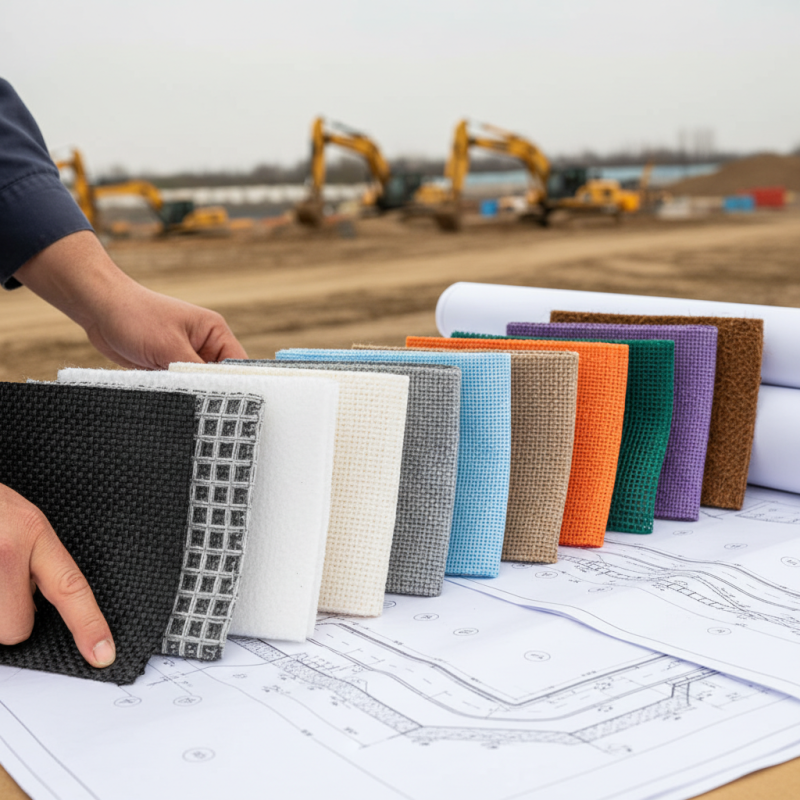
Top 10 Geotextile Fabric Options for Global Buyers?

Introduction to Geotextile Fabrics and Their Applications

Geotextile fabrics are essential in civil engineering and environmental applications. They serve as a barrier, separator, or filter in various projects. According to a report by MarketsandMarkets, the global geotextile market is projected to reach USD 10.47 billion by 2025, growing at a CAGR of 12.0%. This growth underscores their increasing importance in modern infrastructure.

These fabrics are especially influential in construction. For instance, they can improve soil stability, enhance drainage systems, and support erosion control. In highway construction, geotextiles prevent soil migration and reduce the risk of road failure. Despite their benefits, challenges remain. Improper installation can lead to reduced effectiveness. Inadequate knowledge of local soil conditions may also result in poor performance.

Geotextile fabrics are used globally in various sectors, including transportation and environmental management. Their versatility makes them valuable. However, careful consideration is needed. Environmental regulations and standards vary worldwide. This can complicate material selection and usage. It's essential for engineers to be aware of these differences in application. Ultimately, continued education and awareness can improve geotextile performance.

Top 10 Geotextile Fabric Options for Global Buyers

Geotextile Type Material Applications Specifications Benefits
Woven Geotextile Polypropylene Soil stabilization, erosion control Weight: 100-300 gsm, Puncture resistance High strength, durable
Non-Woven Geotextile Polyester Drainage, filtration Weight: 150-500 gsm, High permeability Excellent water flow, lightweight
Geocell HDPE Slope stabilization, load support Height: 100-300 mm, Various cell sizes High load-bearing capacity
Geotextile Tube Woven polypropylene Dewatering, shoreline protection Length: 5-30 m, Diameter: 1-3 m Environmentally friendly, effective drainage
Geotextile Filter Fabric Polypropylene Filtration, separation Weight: 100-500 gsm, UV stabilized Durable, effective in diverse conditions
Composite Geotextile Non-woven with woven Erosion control, drainage management Weight: Customized, Multi-layer construction Versatile applications, high durability
Geogrid Plastic or fiberglass Reinforcement, stabilization Strength: 20-150 kN/m Improved load distribution
Erosion Control Blanket Natural fibers or synthetic Erosion control, vegetation support Thickness: 5-25 mm Natural integration, biodegradable
Geosynthetic Clay Liner Clay sandwiched between geotextiles Containment applications, landfill liners Thickness: 10-15 mm High impermeability, efficient leakage control
Sediment Control Bag Non-woven geotextile Stormwater management, sediment control Size: 20-1000 L Effective sediment trapping

Key Characteristics to Consider When Choosing Geotextile Fabrics

When selecting geotextile fabrics, a few key characteristics warrant careful consideration. First, the type of material is crucial. Geotextiles are typically made from polymers like polypropylene or polyester. These materials offer different benefits, impacting durability and performance. According to the Geosynthetic Research Institute, polypropylene geotextiles tend to have higher tensile strength compared to polyester. This can influence project lifespan and reliability.

Another aspect to look at is permeability. Some applications require fabrics that allow water to pass through. Others need fabrics that prevent water flow. The right permeability can affect drainage, erosion control, and soil stabilization. Reports from the International Geosynthetics Society highlight that permeable fabrics can reduce subsurface pressure, enhancing soil stability.

Tips: Always consider local soil conditions when choosing a geotextile fabric. Testing properties in relation to specific environments can yield insights. Additionally, think about installation factors. Improper installation can undermine even the best materials.

Finally, durability and UV resistance are paramount. Fabrics exposed to sunlight need to resist degradation effectively. Research indicates that UV-stabilized fabrics last longer in outdoor conditions. It’s advisable to examine actual case studies that highlight performance in various climates. This knowledge can help prevent potential failures and costly replacements.

Top 10 Geotextile Fabric Options Available for Global Buyers

Geotextile fabrics play a vital role in sustainable construction and erosion control globally. These materials are used to strengthen soil and manage water, helping to promote eco-friendly practices. The global geotextile market was valued at approximately $6.25 billion in 2021 and is projected to grow due to increased infrastructure projects.

One popular option is woven geotextiles, which are effective for separation and filtration. Their strength suits road construction and heavy-load applications. Non-woven geotextiles are popular for their drainage and filtration capabilities. They are commonly used in landfills and roadways.

Moreover, biodegradable geotextiles are emerging trending options. They offer an environmentally responsible choice. A 2022 report indicated that sustainable materials are on the rise, with biodegradable options expected to hold a significant market share. However, manufacturers face challenges in scalability and performance comparison. The market demands reliable alternatives that balance sustainability with functionality.

Comparative Analysis of Geotextile Fabrics: Strengths and Weaknesses

Geotextile fabrics play a vital role in soil stabilization, drainage, and environmental protection. A comparative analysis reveals various strengths and weaknesses among different types. Woven geotextiles exhibit high tensile strength and excellent load distribution. However, they may not provide sufficient filtration in all soil types. On the other hand, non-woven geotextiles offer superior drainage and filtration capabilities. They can help manage water flow effectively but tend to have lower tensile strength.

A 2020 industry report indicated that the demand for geotextiles increased by 14% annually in the infrastructure sector. The growing construction activities worldwide have fueled this growth. Sustainability trends further necessitate geotextile products with lower environmental impact. The cost-effectiveness of some geotextiles is attractive, yet their long-term durability can raise concerns.

The choice of fabric must align with specific project requirements. Selecting the wrong type can lead to failure in applications. Geotextile fabrics should match soil characteristics for optimal performance. Data shows that improper selection can increase construction costs by up to 20%. Therefore, careful analysis is crucial to prevent potential project overruns.

Sustainability and Environmental Impact of Geotextile Fabrics

Geotextile fabrics play a vital role in sustainable construction. Their use helps manage soil erosion and promotes vegetation growth. While these fabrics are beneficial, there are environmental concerns. Some geotextiles are made from synthetic materials, which may not decompose naturally. This raises questions about long-term impact.

Many manufacturers are shifting towards eco-friendly alternatives. Biodegradable geotextiles are emerging as a solution. These products offer similar performance while minimizing ecological footprints. However, their effectiveness in different environments requires thorough testing. Some issues, such as cost and durability, need careful consideration.

Consumers should be aware of these factors when choosing geotextile fabrics. Not all products labeled as “green” meet the necessary standards. Proper education on material sourcing and production processes is essential. This ensures informed decisions that align with sustainability goals. Keeping an eye on ongoing research can lead to better choices in the future.

Top 10 Geotextile Fabric Options