
What is a Valve Lockout Chain and How to Use It?

In industrial settings, safety is paramount. A Valve Lockout Chain is an essential tool to ensure secure operation during maintenance. It prevents unauthorized access to critical valve systems, thereby reducing the risk of accidents. By locking valves, workers can confidently perform their tasks without potential hazards.

Utilizing a Valve Lockout Chain may sound straightforward, yet many users overlook key aspects. Proper application requires understanding specific lockout procedures. Inadequate training can lead to improper use, putting workers at risk. It's imperative to emphasize effective lockout techniques and user awareness. Not every worksite implements these practices effectively; this is a common area for improvement.

Regular inspections and employee training are necessary for optimal safety. Despite their importance, some facilities neglect these practices. This leaves room for error. The Valve Lockout Chain is a reliable solution, but only when used correctly. Investing time in training can significantly enhance safety measures and foster a culture of vigilance within the workplace.
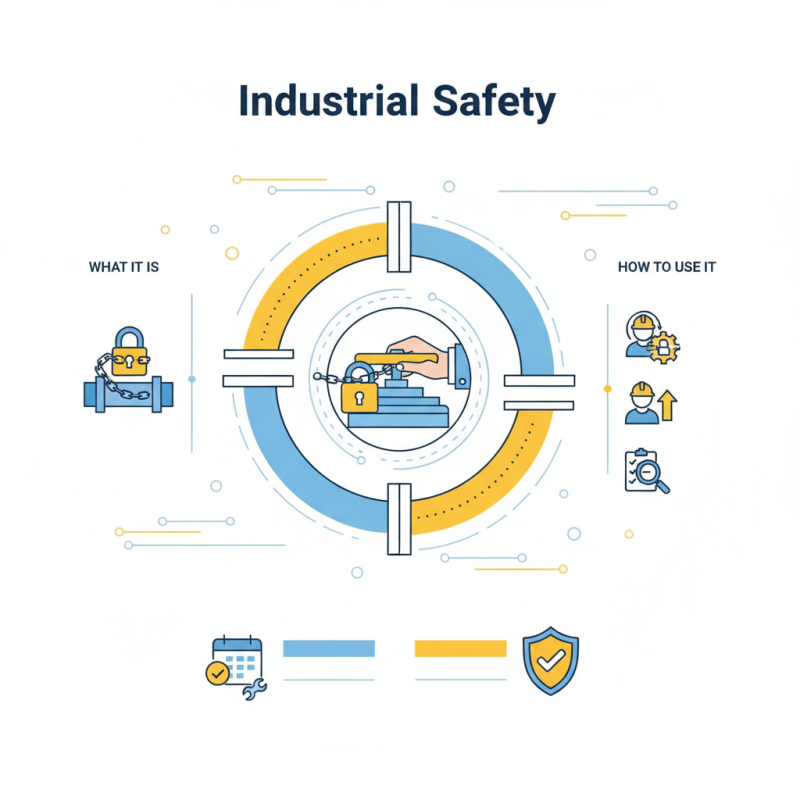
What is a Valve Lockout Chain and How to Use It?

What is a Valve Lockout Chain?

A valve lockout chain is essential for ensuring safety during maintenance on machinery. This tool secures valves in a closed or open position, preventing accidental operation. According to a report from the Occupational Safety and Health Administration (OSHA), improper valve management can lead to serious accidents, emphasizing the significance of such lockout devices.

When using a valve lockout chain, it's crucial to follow safety protocols. Always inspect the chain for any signs of wear or damage before use. A robust chain can reduce the risk of leaks and spills. Professionals recommend ensuring that all personnel are trained in lockout/tagout (LOTO) procedures. Lack of training has been identified as a common cause of incidents in the workplace. Employing a valve lockout chain improves reliability and enhances overall safety.

**Tip:** Color-coding your lockout chains can streamline the identification process. This minimizes confusion in high-stress situations. Another suggestion is to document each locking procedure. Keeping a record can provide insights into patterns that might require reflection and adjustment. This proactive approach to safety helps in maintaining compliance and preventing potential mistakes.

Valve Lockout Chain Usage Statistics

Key Components of a Valve Lockout Chain

A valve lockout chain is a crucial safety device. It secures valves in the closed position. The components of this system play a vital role in its effectiveness.

The key components include the chain itself, padlocks, and tags. The chain wraps around the valve handle. It connects to a locking mechanism that holds the valve in place. Padlocks are used to prevent unauthorized access. Tags provide important information, like who applied the lockout. Each piece is essential for a reliable lockout system.

Utilizing a valve lockout chain requires training and proper procedures. Employees need to understand how to inflate a chain securely. Misuse can lead to dangerous situations. Production may halt if the chain is improperly placed. Ongoing training programs can mitigate these risks. Effective communication about lockout procedures will enhance overall safety.

Benefits of Using a Valve Lockout Chain in Safety Procedures

A valve lockout chain is an essential tool in industrial safety measures. It provides a physical barrier that prevents accidental operation of valves during maintenance or repair. According to the Occupational Safety and Health Administration (OSHA), effective lockout/tagout procedures can reduce workplace injuries by 29%. Using a valve lockout chain is a proven method to enhance the safety of employees working near hazardous systems.

In practice, a valve lockout chain can be easily installed by looping it around the valve and securing it with a lock. This creates an obvious visual cue that the valve is not operational. A report from the National Institute for Occupational Safety and Health (NIOSH) highlights that facilities using lockout devices report a significant decrease in potential injury incidents. This method not only protects workers but also reinforces a culture of safety within the organization.

Failure to utilize valve lockout chains can have dire consequences. An incident report from the International Safety Equipment Association (ISEA) showed that nearly 30% of reported accidents occurred due to improper lockout practices. This highlights the importance of maintaining proper safety protocols. While many facilities recognize the need for such measures, the implementation is often inconsistent. Regular training and revisions of safety procedures are essential to ensure every worker understands the importance of these safety tools.

What is a Valve Lockout Chain and How to Use It? - Benefits of Using a Valve Lockout Chain in Safety Procedures

Feature Description Benefits
Material Durable and weather-resistant materials Long-lasting performance in various environments
Application Used in locking out valves during maintenance Reduces the risk of accidental valve operation
Ease of Use Simple to install and remove Facilitates quick and safe lockout procedures
Visibility Bright colors for easy identification Prevents accidental engagement by personnel
Compliance Meets safety regulations and industry standards Helps in showcasing commitment to safety
Versatility Can be used on various types of valves Useful across multiple applications and industries

Step-by-Step Guide to Properly Use a Valve Lockout Chain

A valve lockout chain is a critical safety device used in various industries. It ensures that valves remain closed during maintenance or repairs. According to the Occupational Safety and Health Administration (OSHA), proper lockout/tagout procedures can reduce workplace incidents by up to 60%. Thus, understanding how to effectively use a valve lockout chain is essential.

To utilize a valve lockout chain correctly, identify the valve that requires securing. Ensure the valve is fully closed. Next, wrap the chain around the valve and lock it securely. This prevents unauthorized operation, ensuring that employees are safe during maintenance. A study by the National Safety Council indicates over 10,000 cases of injuries each year occur from improper valve operation. Simple precautions, like using lockout devices, can make a significant difference.

For effective use, verify the lockout is still secure before starting work. It's crucial to communicate with team members about the lockout status. Sometimes, professionals overlook this step, leading to preventable accidents. Regular training on lockout/tagout protocols can enhance awareness and compliance. Incorporating these practices into daily operations promotes a safer work environment for everyone involved.

Best Practices for Maintaining Valve Lockout Chains

Proper maintenance of valve lockout chains is crucial for safety. Regular inspections can identify wear and tear. Check for any fraying or damage. Chains should be cleaned regularly to prevent rust. Dirty chains can malfunction during critical moments.

Ensure the locks are functioning correctly. Replace any locks that show signs of corrosion or difficulty in locking. Use the chains according to manufacturer's guidelines. A lack of adherence to procedures can lead to accidents. Train staff on proper usage. Knowledge gaps can result in serious risks.

Consider labeling chains for easy identification. Color-coded labels can help distinguish different processes. This practice increases efficiency and reduces confusion. Evaluate the effectiveness of your maintenance practices periodically. Adjust protocols based on findings. Continual refinement is key to safety management.