

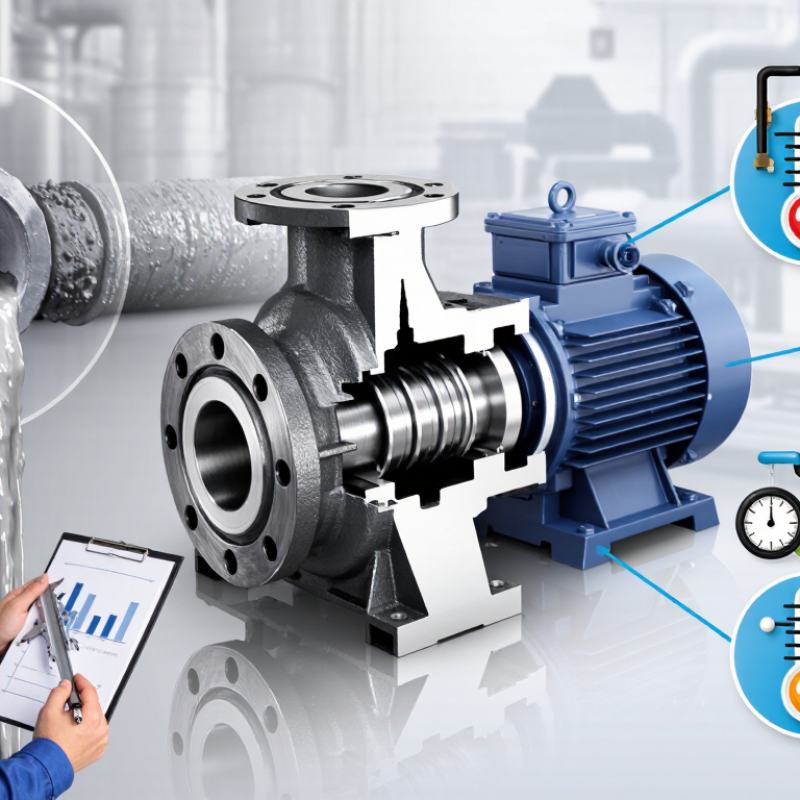
In an industrial pump, a stator is the stationary component surrounding the rotating rotor. It forms a controlled pumping cavity and helps move fluid at a steady rate. In many progressive cavity pumps, the stator has an internal helical shape. The rotor turns inside it, creating sealed chambers that carry liquid forward.
A carbide stator uses carbide material, or a carbide wear layer, on critical internal surfaces. This hard surface resists abrasion from sand, mineral particles, drilling residues, and other harsh solids. It can also maintain its internal profile longer than softer materials. That stability supports predictable flow and reduces frequent replacement. Clearance matters. Even a small change can affect pressure, efficiency, and leakage.
From a maintenance perspective, carbide stators are useful when abrasive service repeatedly damages conventional surfaces. Technicians should still check particle size, temperature, chemical exposure, rotor condition, and operating speed. Carbide is not magic. A wrong fit may create excessive friction, especially during dry running or poor alignment. I have seen equipment selections focus on hardness alone, while ignoring elastomer compatibility and lubrication. That shortcut can produce disappointing results. Proper installation also matters; uneven tightening may distort the stator and reduce sealing performance. For this reason, engineers should compare material data with actual pump conditions, not rely only on catalogue ratings. A carbide stator may cost more initially, but its value depends on measurable wear reduction and stable operation.